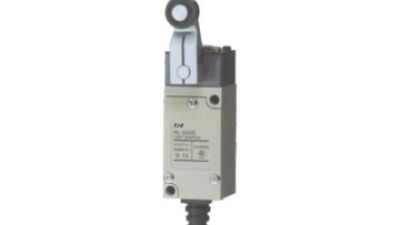
In the world of automation, the Micro Switch Limit Switchis actually pretty essential. Industry folks like John Smith from Automation Experts, Inc. often highlight how important these switches are—he once mentioned, "A Micro Switch Limit Switch is crucial for keeping control systems precise." Honestly, these little guys are a must-have for industries that need dependable, accurate performance.
What’s really cool about the Micro Switch Limit Switch is how versatile it is. It’s used in so many different applications, helping machines run smoothly, avoiding mishaps, and boosting productivity. But, here’s the thing—picking the right switch isn’t just about grabbing the first one you see. You gotta understand what your specific system needs. Some people run into trouble when they buy based on unclear specs or if the switch isn’t compatible with their machinery.
Nowadays, there are tons of manufacturers offering these switches. But, not all of them are created equal—some just can’t match the quality and reliability you’re after. So, it’s really important to do your homework before making a choice. Even folks who’ve been in the game for a while sometimes miss the small details. As the industry keeps evolving, it’s a good idea to keep reviewing these components to make sure you’re getting the best performance possible.
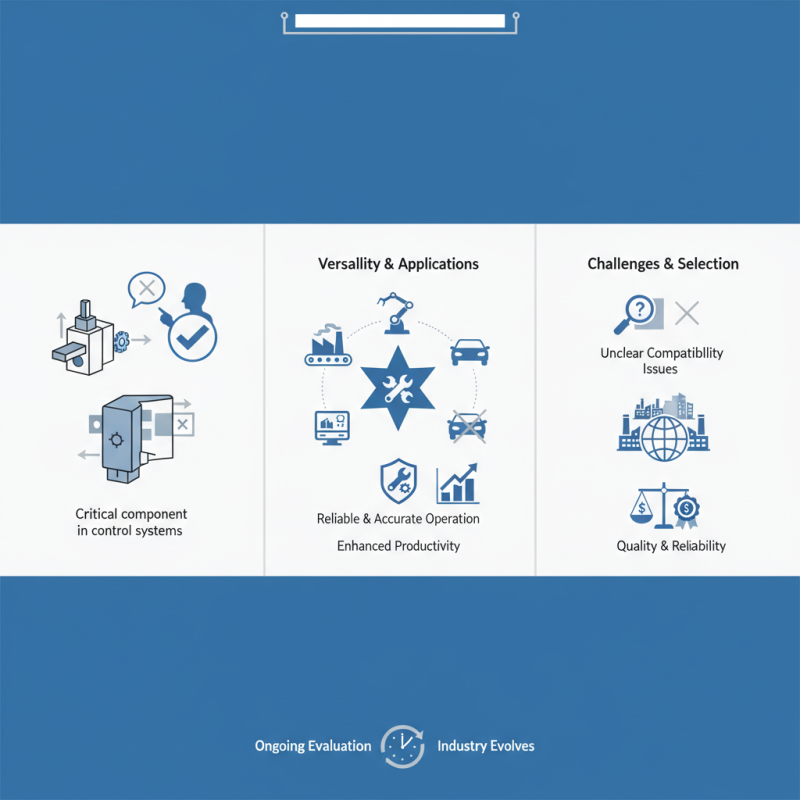
Overview of Micro Switch Limit Switch and Their Applications
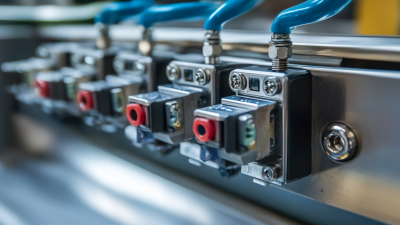
Micro switch limit switches are essential in various industries. They play a critical role in controlling machinery and ensuring safety. These switches are designed to operate with minimal force and provide reliable feedback in a compact form. The global market for limit switches is projected to reach over $6 billion by 2026, according to industry reports. This growth reflects increasing demand across sectors like manufacturing, automotive, and robotics.
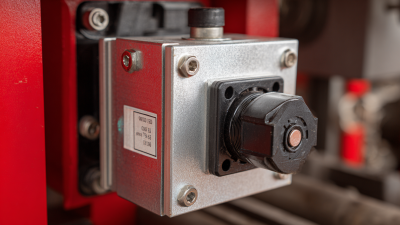
Applications of micro switch limit switches are vast. They are commonly found in elevators, conveyor belts, and automated doors. In each instance, they provide a crucial function, signaling position or presence. However, selecting the right type can be challenging. Different environments require different specifications. Factors like temperature, humidity, and physical stresses must be considered.
Tip: When choosing an OEM Micro Switch Limit Switch, evaluate the environmental conditions of your application. This helps in ensuring longevity and reliability.
It's also important to note that while micro switches are generally durable, they can suffer from wear over time. Regular maintenance routines can help extend their lifespan. Understand that not all switches are created equal; some may require calibration or adjustment after installation. Prioritizing quality over cost can lead to better performance and safety in the long run.
Key Features and Specifications of Micro Switch Limit Switches
Micro switch limit switches are essential components in various automation applications. They provide precise control over machinery by detecting positions and movements. Key features of these switches include their compact size, reliable actuation, and durability. Many models have adjustable mechanisms that allow fine-tuning of operations. This flexibility caters to various user needs, making them very appealing for global buyers.
When considering specifications, factors like operating force, travel distance, and environmental ratings are crucial. These switches can often withstand extreme temperatures and harsh conditions, ensuring long-term performance. An ODM Micro Switch Limit Switch is designed for customization, allowing manufacturers to adapt features specifically for their projects. However, some users report challenges with compatibility in specific setups, indicating a need for thorough testing before integration. Ensure to evaluate the switch against your application's unique demands for optimal results.
Market Trends: Growth of Micro Switch Limit Switch Demand in 2023
The demand for micro switch limit switches has soared in 2023, revealing significant market trends. Reports estimate that the global market for these switches will grow at an annual rate of over 5% in the coming years. Such growth is attributed to their versatility in various applications, ranging from industrial machinery to consumer electronics. As automation becomes a priority, manufacturers are re-evaluating their sourcing strategies. This directly impacts micro switch limit switch factories, which are responding to the increased need for reliable and efficient components.
One key insight from industry reports is the shift towards more compact designs without sacrificing functionality. Buyers are increasingly looking for switches that offer durability, precise sensitivity, and faster response times. However, as production ramps up, quality control becomes a challenge. Some factories may struggle to maintain stringent quality standards, potentially impacting reliability. It's essential for buyers to seek suppliers with a proven track record and robust quality assurance protocols.
Tip: When selecting a supplier, inquire about their quality management systems. Transparency is essential in this industry.
Additionally, sustainability is becoming a priority. With a growing concern for environmental impact, more manufacturers are seeking eco-friendly materials and processes. There's potential for innovation, but it requires investment. Buyers should consider not only the product's performance but also the supplier's commitment to sustainable practices.
Tip: Look for certifications that indicate adherence to environmental standards. These can guide you towards more responsible choices.
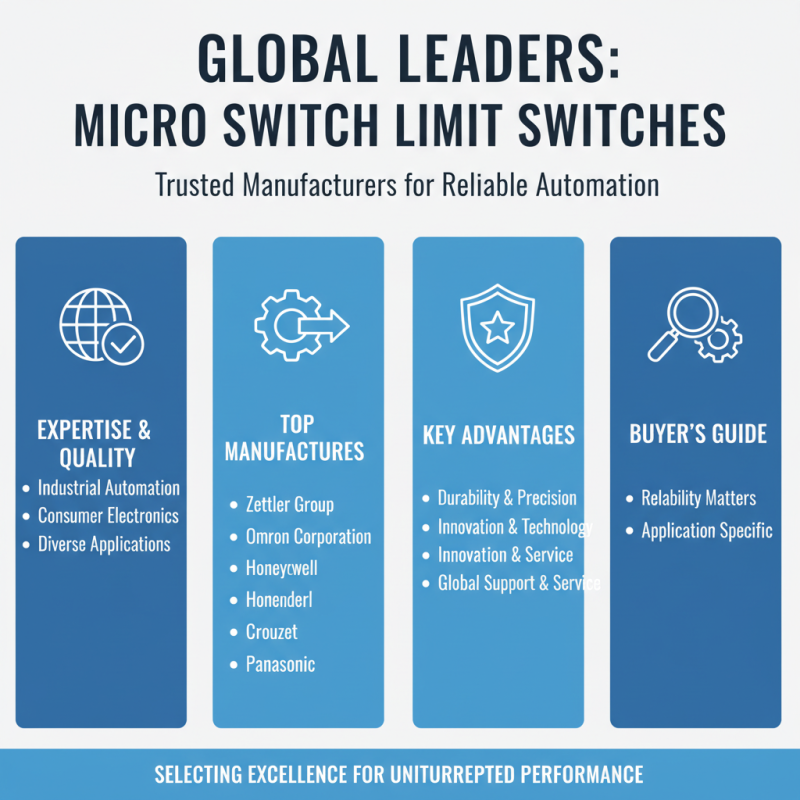
Top Manufacturers of Micro Switch Limit Switches Worldwide
When selecting a micro switch limit switch, buyers should consider top manufacturers worldwide. These manufacturers are known for their expertise and dependable products. They produce switches suitable for diverse applications, from industrial automation to consumer electronics.
Choosing a reliable Micro Switch Limit Switch Supplier is crucial. Some manufacturers focus on quality, while others prioritize cost. This can lead to variability in product performance. A lower price may seem attractive but could compromise longevity and functionality. It's important to check user reviews and ratings to gauge reliability.
Tips: Look for suppliers that offer detailed product specifications. This transparency helps in making informed decisions. Understanding application needs is essential too. Test switches in real conditions, as performance may vary based on operational environment. Always consider the warranty provided; it’s a reflection of the manufacturer’s confidence in their product.
Comparative Analysis: Cost-Effectiveness of Different Micro Switch Types
When considering micro switch limit switches, cost-effectiveness is crucial for global buyers. The market offers various types, including snap-action, momentary, and over-centering switches. Each type serves different applications, impacting pricing significantly. Reports indicate that snap-action switches dominate about 60% of the global market, reflecting their versatility and affordability.
The average cost of a basic snap-action micro switch ranges from $0.50 to $2.00, depending on specifications. In contrast, momentary switches can be pricier, averaging around $3.00 to $5.00. This price variation often correlates with their function. More complex designs may include features like waterproofing or enhanced durability.
Moreover, buyers must assess long-term value versus upfront costs; cheaper switches might not meet durability standards, leading to higher replacement rates.
Data shows that over 75% of maintenance costs stem from equipment failure and downtime. Selecting reliable micro switches could mitigate these losses. However, some buyers might overlook this aspect, enticed by lower initial expenses. It’s essential to weigh these decisions carefully. Quality and longevity could outweigh savings from cheaper options. A balanced approach ensures better performance while keeping costs manageable in the long run.
Industry Standards and Certifications for Micro Switch Limit Switches
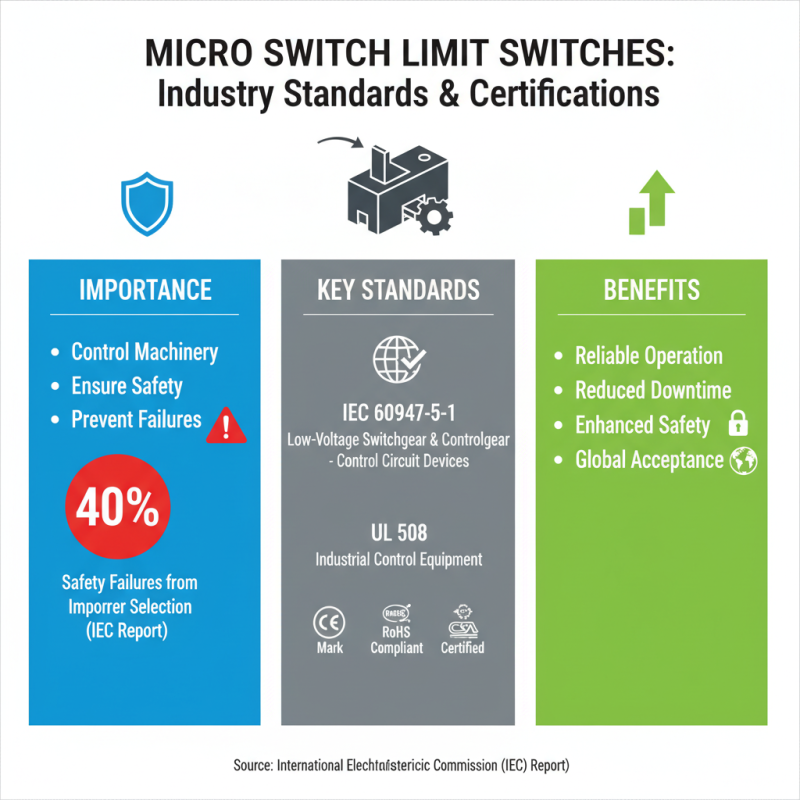
Micro switch limit switches play a crucial role in various industries. They help control machinery and ensure safety during operations. However, choosing the right one requires understanding the industry standards and certifications involved. A recent report from the International Electrotechnical Commission (IEC) outlines that over 40% of safety failures in industrial applications stem from improper switch selection.
Certification marks such as IEC 60947-5-1 indicate compliance with global standards. This standard specifically addresses the basic requirements for limit switches. A reliable micro switch should also meet UL (Underwriters Laboratories) standards. According to the National Fire Protection Association (NFPA), equipment adhering to these standards is 35% less likely to encounter unexpected failures.
Despite these guidelines, selecting the right micro switch remains a challenge. The market offers a wide variety of options. Among them, durability and performance should be prioritized. Factors like environmental conditions, mechanical fatigue, and electrical performance must be closely examined. Even certified products may not perform as expected in extreme situations. Therefore, it is vital to conduct thorough research before making a decision.
Future Innovations: Emerging Technologies in Switch Design and Functionality
Emerging technologies in switch design are shaping the future of micro switch limit switches. Manufacturers are focusing on miniaturization, increased durability, and enhanced functionality. New materials are making switches more reliable under extreme conditions. For instance, the use of advanced polymers allows for better heat resistance. Designers are also integrating smart technology into these devices. This innovation ensures real-time feedback and improved control in various applications.
Another exciting development is the increased emphasis on sustainability. Eco-friendly materials are taking center stage. However, challenges remain. Balancing durability with environmental impact can be tricky. Many designers are still exploring the best solutions. Ergonomics is also becoming a focal point in switch design. Creators are considering user interaction closely. A well-designed switch can significantly enhance user experience.
As the market evolves, manufacturers must adapt to rapid changes. Staying updated with advancements in artificial intelligence and automation is crucial. This shift could revolutionize how limit switches are utilized. There’s a lot of promise here, but also uncertainty. Not every innovation will succeed. Continuous feedback from users is vital for improvement and reliability.
Maximizing Safety and Efficiency: An In-depth Guide to HL Series Limit Switches
In the realm of industrial automation, the emphasis on safety and efficiency is critical. The HL Series Limit Switches emerge as a prominent solution, particularly noted for their robust design and exceptional electrical performance. One of the standout features of these switches is the metal bottom case, which not only enhances durability but also ensures reliable operation in various industrial environments. According to industry reports, approximately 40% of equipment failures are attributed to environmental factors; thus, the advantage of a rugged metal casing cannot be overstated.
Furthermore, the HL Series is equipped with stainless steel rollers, punches, and springs, which significantly contribute to their longevity and precision in operation. In harsh working conditions where wear and tear are common, these materials provide an essential defense against degradation. Data suggests that limit switches constructed with superior materials can extend service life by up to 30%, thereby maximizing operational efficiency and minimizing downtime.
The high electrical performance of the HL Series Limit Switches, rated at 10A and 250V with a lifecycle of 500,000 operations, positions these devices as highly efficient components in automation systems. As industries push towards faster processing and reduced operational costs, switches that offer both reliability and prolonged performance emerge as vital tools. Enhanced electrical ratings not only signify better energy efficiency but also translate to a safer working environment by reducing the chances of electrical failures.
FAQS
: They control machinery and ensure safety in various industries. Common applications include elevators and automated doors.
Different environments require specific specifications. Factors like temperature and humidity affect switch performance and reliability.
Basic snap-action micro switches range from $0.50 to $2.00. Momentary switches average around $3.00 to $5.00.
Regular maintenance can extend their lifespan. Some switches may need calibration or adjustment after installation.
It's important to weigh initial costs against potential replacement rates. Cheaper switches may lead to higher maintenance costs.
Manufacturers focus on miniaturization and enhanced functionality, integrating smart technology for real-time feedback.
Yes, there's an emphasis on sustainability, but balancing durability with environmental impact can be challenging.
Ergonomics significantly enhances user interaction. A well-designed switch improves overall user experience.
Feedback from users is crucial for evaluating new technologies. Not every innovation will meet expectations.
Rapid changes in AI and automation require adaptation. There’s promise, but uncertainty remains in market acceptance.
Conclusion
The article "Best Micro Switch Limit Switch for Global Buyers?" provides a comprehensive overview of Micro Switch Limit Switches, highlighting their crucial applications across various industries. It delves into the key features and specifications that define these switches, emphasizing their importance in automation and control systems. The market trends indicate a significant growth in demand for Micro Switch Limit Switches in 2023, driven by advancements in technology and industrial automation.
Additionally, the article presents a comparative analysis of the cost-effectiveness of different Micro Switch types, alongside an exploration of industry standards and certifications that ensure quality and safety. Lastly, it discusses future innovations in switch design and functionality, showcasing emerging technologies that promise to enhance performance and reliability, solidifying the Micro Switch Limit Switch's role in modern applications.