When it comes to electrical safety and making systems run smoothly, understanding Mccb Circuit Breakers is pretty crucial—especially for industries that depend on solid electrical setups. With over 37 years under our belt, Zhejiang ZNFO Electric Co., Ltd. has really been leading the way in creating smart protection systems and industrial control parts. You know, industry reports predict that the global market for circuit breakers is set to grow a lot in the near future. This surge is mainly driven by a stronger need for reliable electrical infrastructure and some pretty exciting tech innovations. The MCCB segment, in particular, is expected to see big growth because these breakers play such a vital role in preventing overloads and safeguarding equipment, especially in industrial settings. As companies get more serious about safety and efficiency, knowing the ins and outs of MCCB circuit breakers isn’t just useful—it’s essential for staying compliant and running things smoothly.
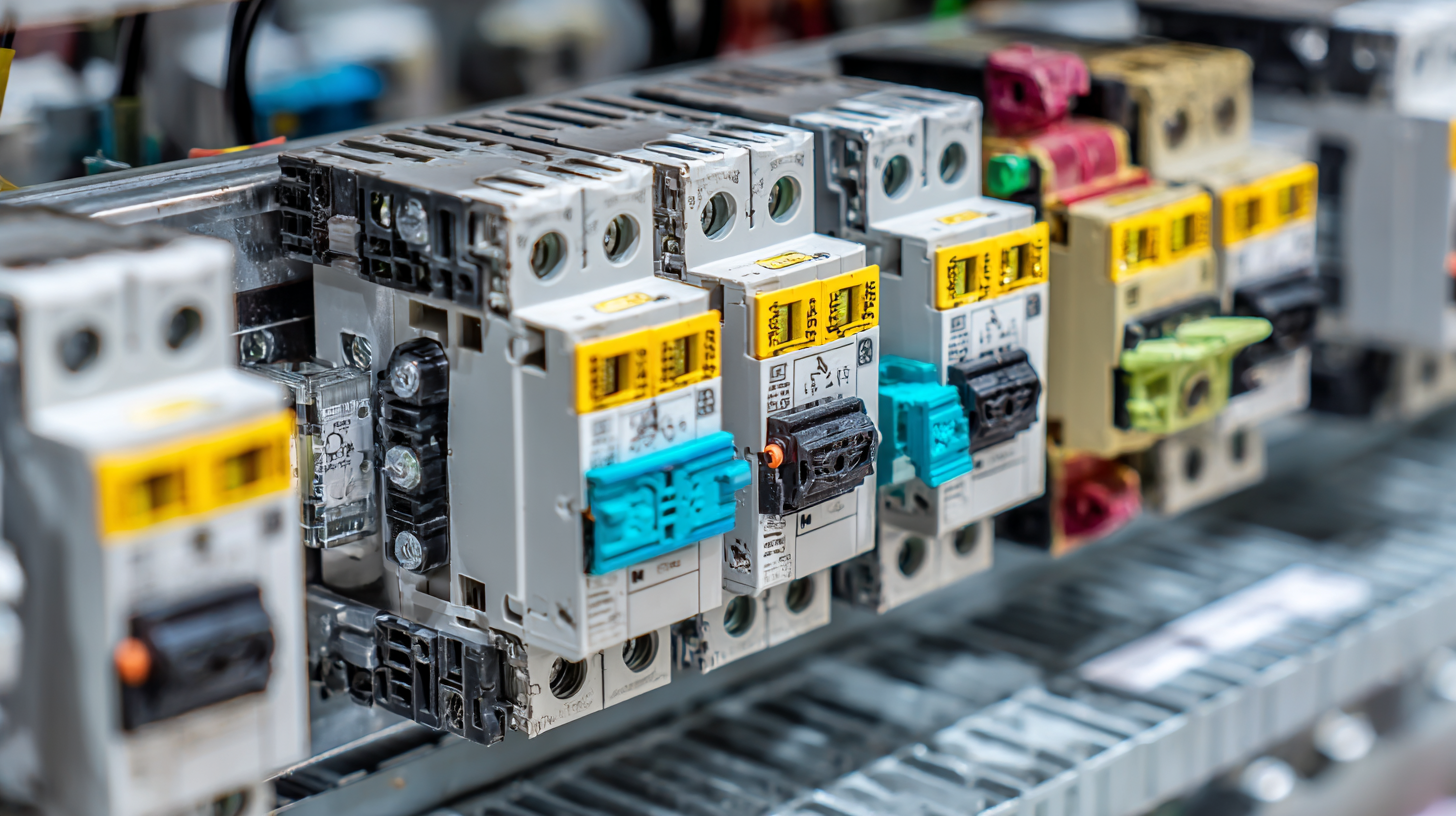
Understanding the Functionality of MCCB Circuit Breakers in Electrical Systems
Molded Case Circuit Breakers, or MCCBs, are pretty much the unsung heroes in electrical systems. They keep things safe by protecting against overloads and short circuits—without them, things could get messy fast. If you dig into how they work, you'll see that understanding their function is key not just for safety but also to keep everything running smoothly. MCCBs come in different types, like mechanical and solid-state ones, and they’re rated for low, medium, or high voltage setups. You might find them installed indoors or outdoors, depending on what the electrical setup calls for.
With industries bouncing back and manufacturing spending on the rise worldwide, there's been a serious jump in the need for strong, reliable electrical systems. Countries around the globe are pouring money into building out their electrical infrastructure to keep up with booming urban growth and economic progress. Because of all this, MCCBs are more important than ever—they play a crucial role in supporting bigger and more complex power grids and facilities, making sure everything runs without a hitch.
**Some tips if you're looking to pick out the right MCCB:**
1. Take a good look at your electrical load—check the current and voltage needs so you can pick an MCCB that fits just right.
2. Think about where you're installing it—indoors or outdoors—and choose one that can handle the environment’s conditions, whether it’s rain, dust, or whatever else.
3. Don’t forget regular maintenance! Loop in some periodic checks to make sure your MCCBs are still functioning properly and avoid any surprises down the line.
Key Specifications and Ratings to Consider When Selecting MCCB Circuit Breakers
When you're choosing MCCB (that's Molded Case Circuit Breaker, by the way), it’s pretty important to understand some of the key specs and ratings. That stuff really matters if you want your electrical system to be safe and work smoothly. For example, one of the most critical things to check is the current rating, usually listed in amperes. Based on the IEC 60947-2 standards, MCCBs come in a range from around 15 A all the way up to 1600 A, so you can pick the right one depending on what you need. The goal is making sure the breaker can handle whatever load you throw at it without overheating or tripping too often—that’s how you keep the system running reliably.
Another big deal is the breaking capacity—the maximum fault current the breaker can safely handle and interrupt without getting damaged. In real-world setups, especially in bigger facilities, you’re probably looking at MCCBs with a breaking capacity somewhere between 25 kA and 50 kA, since industrial environments can have pretty high short-circuit currents. Plus, nowadays, many MCCBs come with fancy features like selective coordination. That just means only the breaker that’s actually affected will trip during an overload or short circuit—keeping things running smoothly with less downtime. According to a report by MarketsandMarkets, the global market for MCCBs is actually expected to grow a lot, which just shows how important it is to pick the right specs when it comes to safety and making sure everything stays reliable in your electrical setup.
Analyzing the Benefits of MCCB Circuit Breakers for Enhanced Electrical Safety
Molded Case Circuit Breakers, or MCCBs, play a really important role in today's electrical setups. They’re pretty much the safety net that keeps things running smoothly and safely. The global market for MCCBs is expected to grow quite a lot in the coming years, mainly because more folks are realizing how crucial reliable protection is across low, medium, and high voltage systems. Industry reports suggest that from 2023 to 2030, this market could see an annual growth rate of over 6%. That’s a clear sign that more people are catching on to just how vital MCCBs are for electrical safety.
There are different types of MCCBs out there—like solid-state and electromechanical ones—each designed for specific needs. You’ll probably see the indoor installation segment taking the lead, especially as safety becomes a bigger priority for both commercial buildings and factories. Plus, MCCBs up to 500V are pretty versatile, covering a wide range of applications to keep things running smoothly and securely.
**A quick tip:** If you’re dealing with electrical equipment, investing in a good quality MCCB is definitely worth it. It can really help protect your gear from overloads and short circuits. Also, don’t forget that regular check-ups and maintenance are key to keeping your circuit breakers in tip-top shape. And if your power demands tend to fluctuate—a lot of industries do—consider getting MCCBs with adjustable settings. That way, you can keep things running optimally and stay protected.
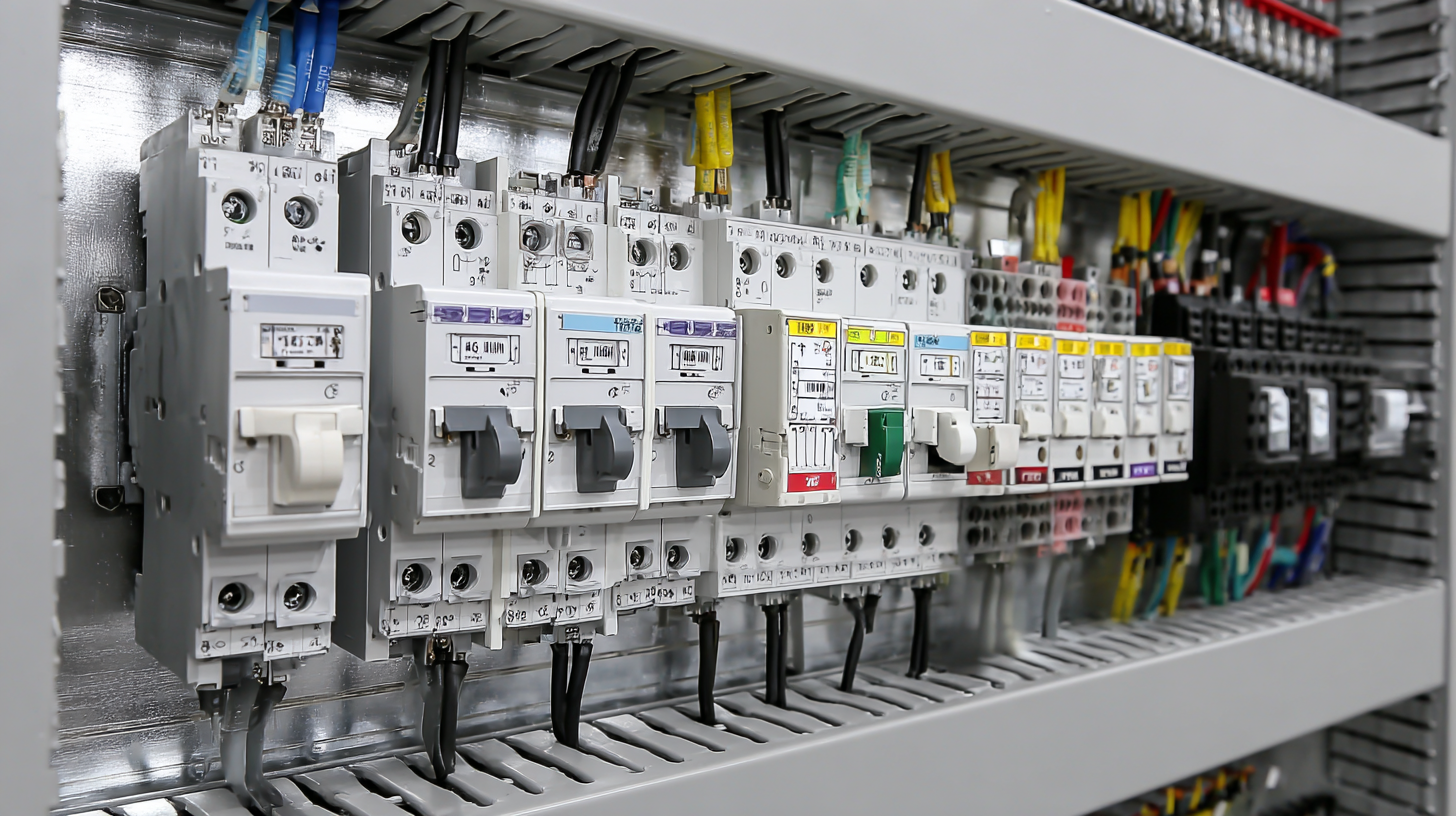
Troubleshooting Common Issues with MCCB Circuit Breakers for Optimal Performance
Hey, when you're taking care of MCCB (Molded Case Circuit Breakers), it's pretty important to know what common issues can pop up. One of the most frustrating things is nuisance tripping — you know, when the breaker trips without a real reason, often because of thermal overloads or short circuits. Figuring out what's really going on means checking how much load is on the circuit and making sure it doesn’t go over the breaker’s limit. Sometimes, environmental stuff like really hot or cold temperatures can also cause trips, so it’s worth inspecting where the breaker is installed.
Another thing to watch out for is loose or poor connections. These can cause the breaker to overheat and eventually fail, which is obviously not great. Doing regular checks — like tightening down terminal screws — can save you a lot of headaches down the line. Also, dust and moisture can mess with the breaker’s performance, so keeping the area clean is a good idea. Using protective enclosures can help keep things running smoothly, too. If you stay on top of these common issues, you’ll not only get a longer life from your MCCBs but also keep your entire electrical setup safer and more reliable. It’s all about a little proactive maintenance — that really pays off in the long run.
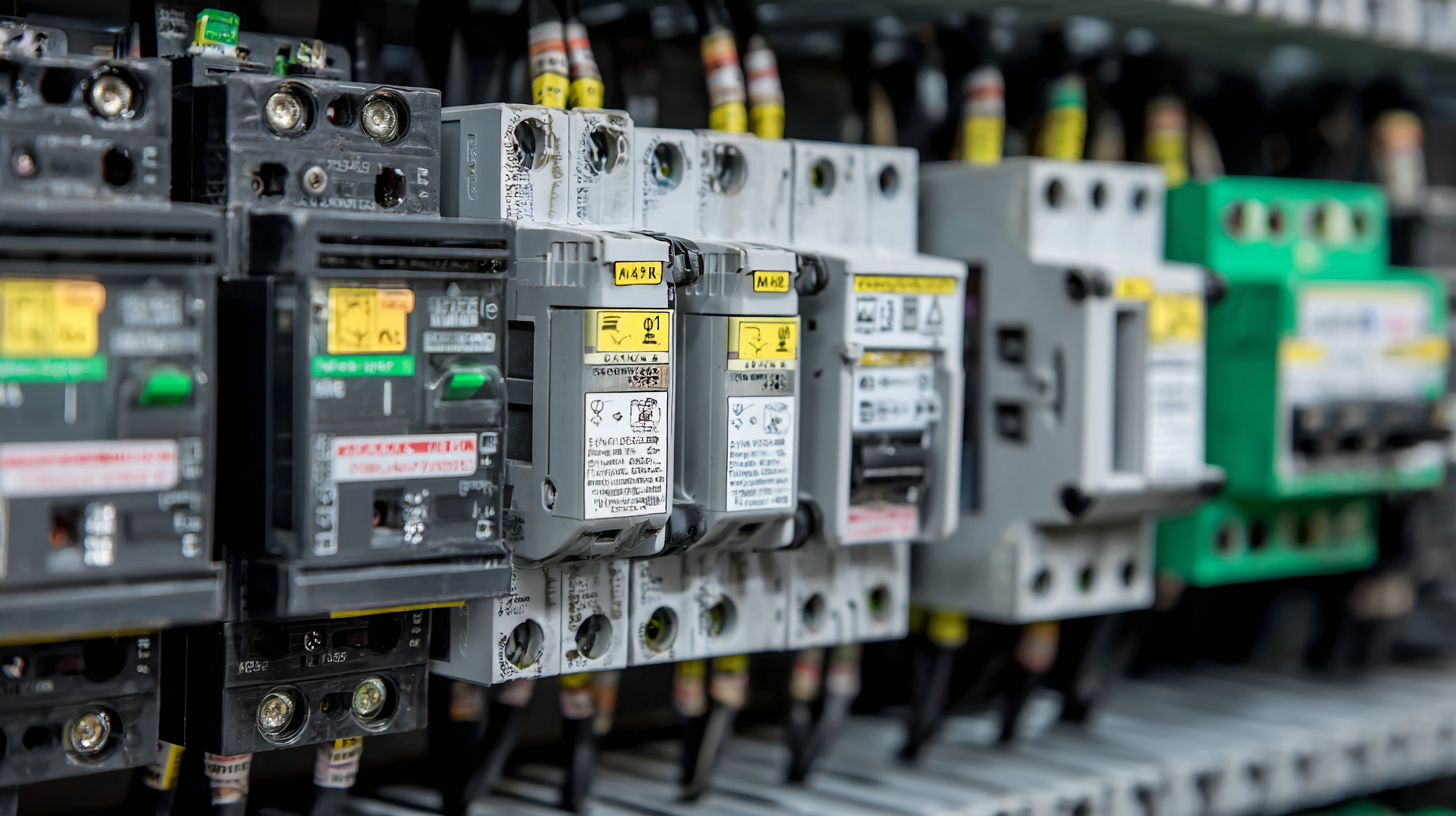
Comparative Analysis: MCCB Circuit Breakers vs. Other Circuit Protection Devices
You know those Molded Case Circuit Breakers, or MCCBs? They're actually pretty crucial in today's electrical setups. Basically, they give you reliable protection against overloads and short circuits, which is a big deal. When you compare them to other devices like fuses or Miniature Circuit Breakers (MCBs), MCCBs stand out because they can handle bigger currents—perfect for industrial or commercial places where things tend to get more heavy-duty. Plus, they come with adjustable trip settings, so you can customize them depending on what your system needs. It’s like having a tailored safety net that works just right for sensitive equipment.
Lately, there's been a big push for energy efficiency and better safety in electrical installations, and that’s driving the MCCB market to grow pretty fast. Experts say the global circuit breaker market could jump from around $24 billion in 2025 up to about $43 billion by 2032. As companies look for smarter, more adaptable protection solutions, MCCBs are really holding their own—thanks to their flexibility and scalability. You'll find them used in a wide range of industries, helping ensure that both energy use and safety are handled effectively everywhere from factories to commercial buildings.
Comparative Analysis of MCCB Circuit Breakers vs. Other Circuit Protection Devices
Best Practices for Maintenance and Testing of MCCB Circuit Breakers for Longevity
Taking good care of and regularly testing your Molded Case Circuit Breakers (MCCBs) really isn’t something to overlook if you want your electrical systems to stay reliable and last longer. Did you know that, according to the National Fire Protection Association (NFPA), electrical failures are actually one of the main causes of fire accidents? That just goes to show how crucial it is to keep these breakers in top shape—they play a major role in keeping everything safe. Doing routine maintenance can actually help prevent those surprise outages and save a ton of money in the long run. In fact, some studies suggest that up to 70% of electrical failures can be avoided just by sticking to regular inspections and testing routines.
When it comes to maintaining MCCBs, a few best practices can really make a difference. Things like thermal imaging inspections to catch any hotspots or overheating parts early, plus regular cleaning and lubrication of moving parts, can keep things running smoothly. The IEC (International Electrotechnical Commission) recommends testing the operation of your circuit breakers at least once a year—making sure all the safety features are working properly. Also, keeping detailed records of all maintenance activities isn’t just administrative; it can actually help catch small issues before they become big problems and keeps your system safer overall. By following these simple steps, businesses and homeowners alike can extend the life of their MCCBs and cut down on long-term costs—worth it, right?
Understanding MCCB Circuit Breakers: Essential Insights for Electrical Safety and Efficiency
| Dimension | Value |
| Rated Current (A) | 500 |
| Breaking Capacity (kA) | 60 |
| Poles | 3 |
| Operating Voltage (V) | 400 |
| Trip Type | Thermal-Magnetic |
| Installation Method | Panel Mount |
| Maintenance Frequency | Annually |
| Testing Method | Insulation Resistance Test |
FAQS
: MCCB circuit breakers provide reliable protection against overloads and short circuits, ensuring safety and efficiency in various electrical applications.
MCCBs can be categorized by type, such as mechanical and solid-state breakers, and by voltage, including low, medium, and high voltage.
When choosing an MCCB, assess the electrical load, consider environmental factors for installation, and schedule regular maintenance checks.
Nuisance tripping refers to the unwanted tripping of the circuit breaker, often caused by thermal overload or short circuit situations.
Prevent poor connection integrity by regularly inspecting the connections and tightening terminal screws to avoid overheating and failure.
Extreme temperatures and contaminants like dust and moisture can impair the functionality of MCCBs, potentially leading to tripping or failure.
Regular maintenance, including inspections and clean environments, helps ensure MCCBs function properly and prevents potential failures in the electrical system.
MCCBs can be installed indoors or outdoors, depending on the specific requirements of the electrical infrastructure.
Protective enclosures can enhance the reliability of MCCBs by safeguarding them against environmental hazards and contaminants.
Check the load on the circuit to ensure it does not exceed the MCCB rating, and evaluate the installation site for any environmental factors that might be causing the issue.
Conclusion
MCCB circuit breakers are pretty much essential when it comes to keeping electrical systems safe and running smoothly. If you ask me, understanding how they work is a must—you know, they help prevent overloads and short circuits, which could really mess up your equipment or even put people in danger. When you're picking out an MCCB breaker, it’s a good idea to pay attention to the key specs and ratings to make sure they fit your specific needs. One of the main perks of using MCCBs is that they boost safety and performance, making them a smart choice, especially in industrial settings.
Taking care of these breakers through proper maintenance and knowing how to troubleshoot common problems is super important if you want them to last longer. Just sticking to some basic best practices can really make a difference. Plus, when you compare MCCBs to other protection devices out there, it’s clear they hold a lot of advantages in terms of reliability and efficiency. Companies like Zhejiang ZNFO Electric Co., Ltd., with over 37 years in the business of industrial control, are leading the way with innovative MCCB designs that are built to meet the changing demands of the industry.