Leave Your Message
0%

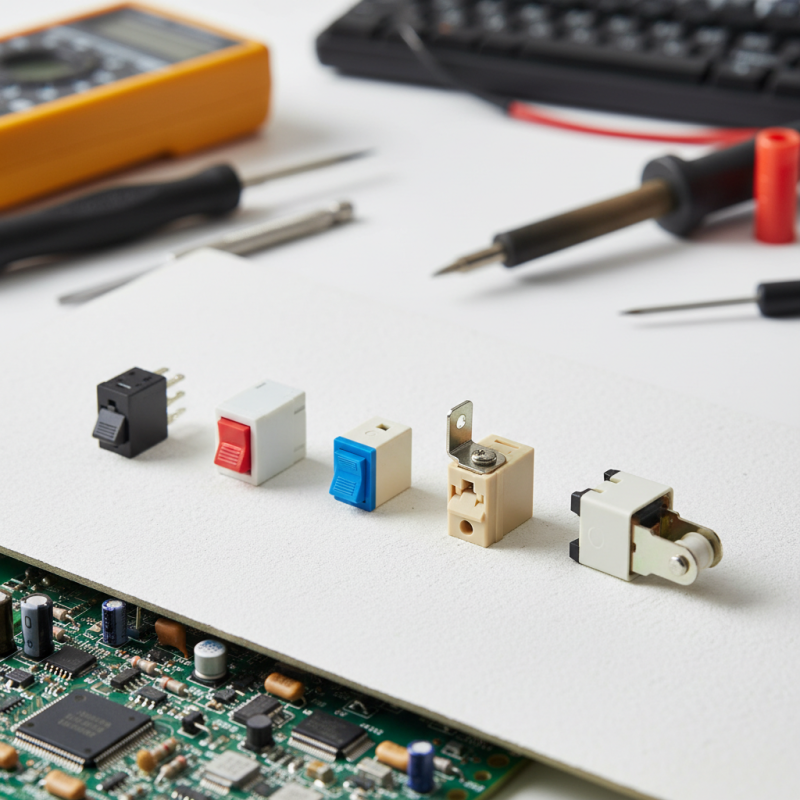
When you're working with electronics, picking the right components can really make or break your project. Take Micro Snap Switches, for example — they’re pretty great because of their compact size and dependability. You'll see these little guys popping up everywhere, from household gadgets to heavy-duty industrial machines. Their small footprint means you can fit them almost anywhere without sacrificing how well they work.

But here’s the thing — when you're choosing a Micro Snap Switch, it’s not just about size. Factors like how much force is needed to activate it, and how tough it is over time, really matter. Brands like Cherry, Omron, and Honeywell are well-known for making solid options. Each of these has its own specs and strengths, so it’s worth taking the time to compare them based on what your project needs.

Skipping past those details or ignoring what your project specifically needs can lead to some... let’s just say, not-so-great results. The last thing you want is a switch that doesn’t perform when it counts. So, understanding the ins and outs of each Micro Snap Switch can really help you get the results you’re aiming for.

In this article, I’ve rounded up the top five Micro Snap Switches out there today, to hopefully help you make smarter choices for your next build or repair job. Because, honestly, a little research can save you a lot of headaches later on.
Top 5 Micro Snap Switches for Your Next Project?

Understanding Micro Snap Switches and Their Applications

Micro snap switches play a crucial role in various electronic applications. They offer a compact design and reliable performance. Their unique operation mode makes them ideal for situations where space is limited. These switches can be found in everything from appliances to advanced robotics. Understanding their functionality gives you a clearer idea of how they can enhance your projects.

When selecting a micro snap switch, consider the actuation force required. This impacts the user experience significantly. A switch that's too stiff may frustrate users, while one that's too loose might lead to accidental activation. Always choose based on your specific project needs.

Tips: Test the switches with your prototypes. Ensure they align with your design intentions. Sometimes, the malfunctions in your project stem from improperly chosen switches. Additionally, collaborating with experts familiar with China Micro Snap Switch characteristics can provide invaluable insights. Their expertise helps you avoid common pitfalls and improves your project’s overall success.

Key Features to Consider When Selecting Micro Snap Switches

When selecting micro snap switches for your next project, several key features stand out. One critical aspect is the actuation force. Research shows that most applications require an actuation force ranging from 50 grams to 100 grams. This force ensures a balance between responsiveness and user comfort. A lighter switch may lead to accidental activations, while a heavier one can create user fatigue. It’s essential to find a suitable force for your specific design.

Another factor to consider is durability. Some reports highlight that micro snap switches can handle over a million cycles. This endurance is crucial for devices subjected to frequent use. In industries like automotive and consumer electronics, reliability is paramount. A switch that fails prematurely can lead to significant project costs or safety hazards. Additionally, the environmental ratings of these switches, such as moisture and dust resistance, should align with your project’s requirements.

Lastly, size and footprint are vital. Compact designs allow for integration in tight spaces. However, smaller switches may come with a trade-off in usability. Ensure that the switch fits well within your design parameters without compromising functionality. Balancing these considerations can be complex, but thorough testing and research will guide you to the best choices for your project.

Top 5 Micro Snap Switches for Your Next Project

Switch Type Actuation Force (g) Life Cycle (Click) Operating Temperature (°C) Mounting Type
SPDT Micro Switch 200 1,000,000 -20 to 85 Through Hole
DPDT Snap Action 150 500,000 -25 to 80 Surface Mount
Micro Limit Switch 100 1,500,000 -30 to 85 Panel Mount
Momentary Push Button 120 300,000 -20 to 75 Through Hole
Sealed Micro Switch 180 2,000,000 -40 to 85 Surface Mount

Top 5 Recommended Micro Snap Switches for Various Projects

Top 5 Micro Snap Switches for Your Next Project?

When choosing micro snap switches for your project, various factors come into play. These tiny yet powerful switches can drive your innovation. Projects often require reliable components, and micro snap switches fit this bill perfectly. The top recommended options provide versatility across different applications. They can be integrated into consumer electronics, robotics, and DIY projects.

Tips: Ensure compatibility with your circuit. Voltage ratings and current capacities are crucial. Double-check the mechanical life of the switch. A switch that wears out quickly will hinder your project’s longevity. Manufacturing standards also matter. A reputable Micro Snap Switch Factory can be vital to ensure quality.

Additionally, consider the actuation force. Different switches have varying force requirements. Choose one that aligns with your project's specific needs. Trying out a switch in a prototype may expose unexpected issues. Testing different types can provide deeper insights. Being aware of potential challenges enables better decision-making. Your project’s success often hinges on these small details.

Comparing Micro Snap Switches: Insights and Performance

When choosing micro snap switches for your projects, understanding their performance is crucial. These components are vital in many applications, from consumer electronics to industrial machines. Comparing them helps ensure optimal functionality. A micro snap switch operates by creating a quick electrical connection, which is essential for devices needing rapid response times.

Consider the actuation force. Different switches require varying amounts of pressure to activate. A heavier action might be more suitable for tactile feedback, while a lighter touch suits delicate tasks. Performance can vary greatly, so testing in real-world applications is essential.

**Tips:** Always refer to the specifications from your Micro Snap Switch Supplier. They provide critical data on durability and electrical ratings. Evaluating your project needs against these insights can prevent costly mistakes.

Also, pay attention to the switch's lifespan and environmental resistance. Not all switches are created equal. Some may falter in extreme temperatures or humidity. Reviewing these aspects is necessary for long-term success in your designs.

Installation Tips for Micro Snap Switches in Your Designs

Top 5 Micro Snap Switches for Your Next Project?

When integrating micro snap switches into your designs, precision is key. Proper installation will ensure reliability and longevity in your projects. Begin by reviewing the specifications of your selected switch. Understanding its electrical ratings and mechanical limits can prevent future issues.

Consider the mounting method carefully. Many switches require specific hole dimensions. A mismatch could lead to an unstable connection or even total failure. Pay close attention to the orientation. Incorrect placement may result in unintended activation or damage during operation.

Testing the switch post-installation is crucial. A simple continuity test can confirm functionality. This step is often overlooked but essential for avoiding later troubleshooting. Document any adjustments you make during installation. This can help refine your process for future projects. Learning from each experience will enhance your skill with micro snap switches.

Troubleshooting Common Issues with Micro Snap Switches

Micro snap switches are essential in various applications, from consumer electronics to industrial devices. However, these small components can present common issues that affect performance. Understanding these problems is crucial for successful integration into your next project.

One prevalent issue is the bounce effect, which can lead to unreliable switching. A study by the Tech Research Institute found that up to 20% of switches experience bounce if not properly managed. This presents a challenge in applications requiring precision. Engineers often resort to debounce circuits, which can add complexity. Another concern is wear and tear. Over time, the mechanical reliability of micro snap switches decreases. Reports indicate that the lifespan can drop significantly, especially in high-use scenarios. Regular testing and replacement strategies are vital to mitigate this problem.

Furthermore, environmental factors play a significant role. Temperature fluctuations can affect the switching characteristics of these components. In regions with extreme temperatures, micro snap switches may fail intermittently. Staying aware of these environmental impacts can help engineers choose appropriate materials and designs for their projects. Balancing performance with reliability often requires critical reflection on design decisions and application requirements.

Future Trends in Micro Snap Switch Technology and Design

The landscape of micro snap switch technology is evolving rapidly. Future trends lean towards enhanced durability and miniaturization. This means manufacturers are focusing on creating switches that can withstand more cycles while occupying less space. The rise of compact electronic devices has driven this demand. As a result, Micro Snap Switch Factories are investing in advanced materials that increase performance while lowering costs.

Additionally, smart technology integration is becoming a significant trend. More devices require intuitive controls, and micro snap switches offer a reliable solution. Designers are exploring touch-sensitive options alongside traditional models. This blend of innovation encourages engineers to rethink user interfaces. While these advancements are promising, they can also complicate design processes. Balancing the need for innovation with practical implementation poses challenges.

Sustainability in manufacturing is another key focus. Companies are attempting to reduce waste and energy consumption. However, this shift is not without its hurdles. The transition to eco-friendly materials can impact the functionality of certain designs. Ensuring that products meet environmental standards while maintaining reliability requires careful consideration. Overall, the future of micro snap switches holds exciting potential, but it also urges a reflective approach to sustainable practices in engineering.

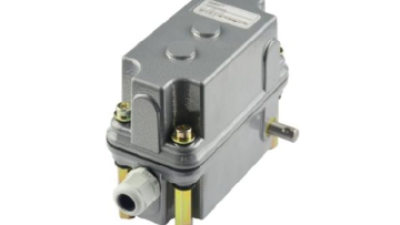
Exploring the Versatility and Applications of the DXZ Multi-Function Limit Switch in Industrial Automation

In the realm of industrial automation, the versatility and reliability of limit switches are crucial for ensuring operational efficiency and safety. The DXZ Multi-Function Limit Switch exemplifies these qualities, designed to provide accurate and sensitive performance under various installation conditions. With its innovative mechatronic design, this device serves as a robust installation protection mechanism, catering to a wide range of applications across different sectors.

Recent studies indicate that the market demand for multi-functional limit switches is on the rise, driven by advancements in automation technology and an increasing emphasis on workplace safety. According to a report by Research and Markets, the global limit switch market is expected to witness a compound annual growth rate (CAGR) of 5.3% from 2021 to 2026. The DXZ Multi-Function Limit Switch meets stringent performance standards, ensuring that it not only aligns with international specifications but also enhances the overall functionality of automated systems.

The adaptability of the DXZ switch allows it to be deployed in numerous environments—from heavy machinery safety mechanisms to precise positioning systems in manufacturing lines. Its key characteristics, including reliability, sensitivity, and accuracy, make it an indispensable component in modern industrial setups. As industries continue to evolve, the integration of advanced limit switches like the DXZ model will play a significant role in streamlining operations and improving safety protocols in automation technologies.

FAQS

: What is a micro snap switch?

: A micro snap switch is a compact electronic component used for creating quick electrical connections.

Why is actuation force important?

Actuation force impacts user experience. It can determine responsiveness and comfort during use.

How can improper switch selection affect my project?

Incorrect switch choices might lead to malfunctions or user frustration, affecting the project's overall success.

What durability can I expect from micro snap switches?

Many micro snap switches can endure over a million cycles, ensuring reliability in frequent-use devices.

How do size and footprint affect switch selection?

Compact switches fit in tight spaces but can compromise usability. It's important to balance these factors.

What environmental ratings should I consider?

Look for moisture and dust resistance. These features must align with your project's specific requirements.

Why is testing necessary when selecting micro snap switches?

Testing ensures that switches meet design intentions and function correctly in real-world applications.

What considerations should I keep in mind regarding switch performance?

Evaluate actuation force and lifespan at varying temperatures. Testing in real situations reveals performance differences.

How can I avoid common pitfalls in switch selection?

Collaborate with experts and refer to specifications for durability and electrical ratings. This helps in making informed choices.

What happens if a switch fails prematurely?

A premature failure can lead to increased project costs and safety hazards. This risk is especially critical in certain industries.

Conclusion

Micro Snap Switches are essential components in many electronic projects due to their reliability and compact size. This article begins by exploring the fundamental understanding of Micro Snap Switches, including their various applications across industries. It highlights key features to consider when selecting these switches, ensuring that designers make informed choices tailored to their specific project requirements.

The article then presents a curated list of the top five recommended Micro Snap Switches, comparing their performance and insights for different uses. Additionally, it addresses practical installation tips to facilitate seamless integration into designs, alongside troubleshooting common issues that may arise during usage. Finally, it discusses future trends in Micro Snap Switch technology and design, providing a comprehensive overview for engineers and hobbyists alike seeking to enhance their projects with Micro Snap Switches.


Sophia

Sophia

Sophia is a dedicated marketing professional at Zhejiang Zhenghuo Electric Co., Ltd., where she leverages her extensive knowledge of the company's products to drive effective communication and engagement with clients. With a keen eye for detail and a passion for innovation, Sophia regularly updates......
Previous Best Micro Switch Limit Switch for Global Buyers?