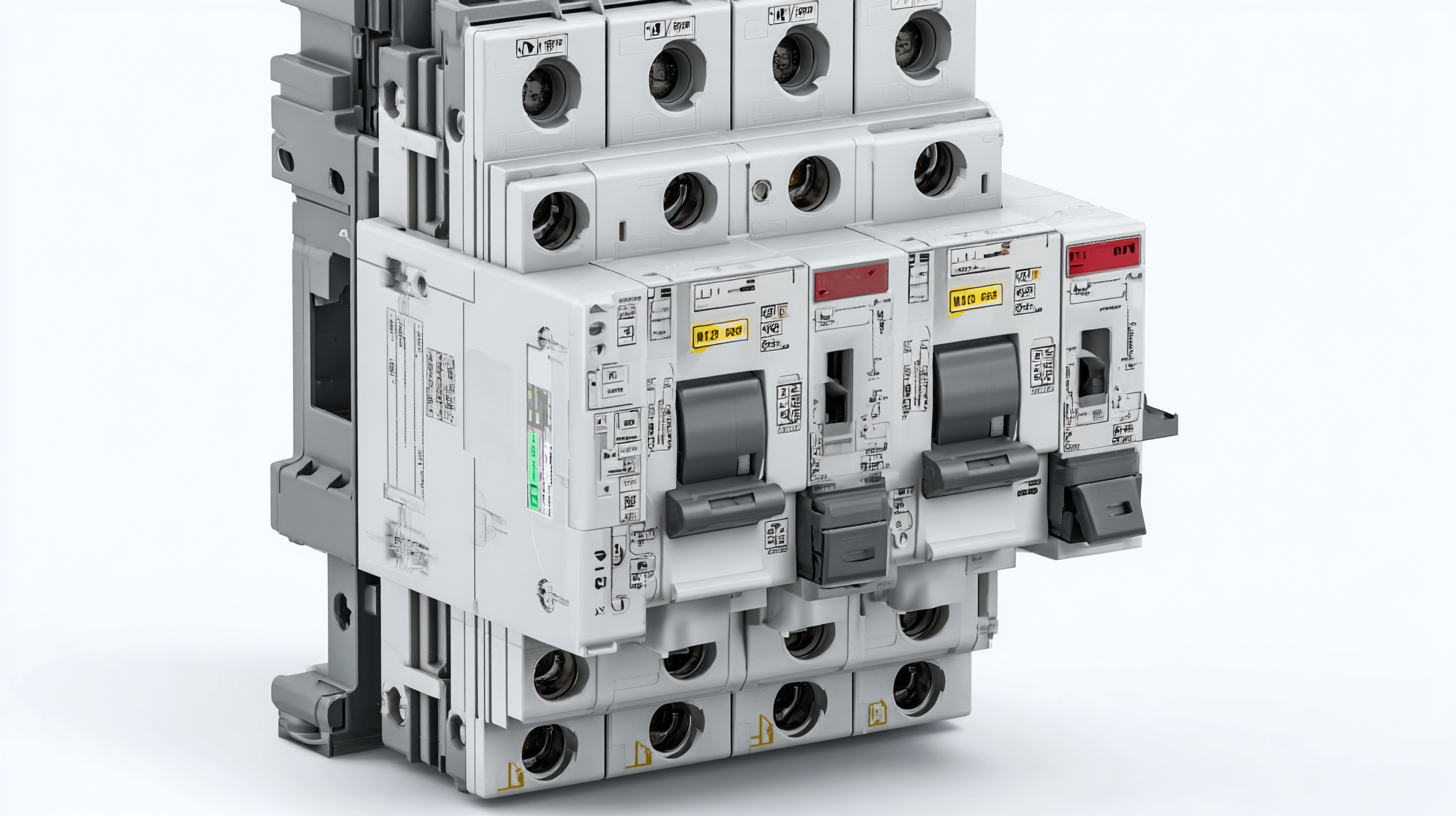
In today's fast-paced industrial world, getting a good handle on what makes MCCB breakers special is super important if you want your electrical systems to run smoothly and safely. I was reading a recent report from Research and Markets, and it said that the global market for MCCBs is expected to hit around $8.6 billion by 2026, growing at about 5.5% each year. That’s pretty impressive and really highlights just how crucial it is to choose the right MCCB for different tasks—especially in sectors like automation and process control, where things need to work seamlessly. Companies like Zhejiang ZNFO Electric Co., Ltd., with their 37 years of experience in industrial controls, really know their stuff. They focus on designing advanced Electrical Parts, including MCCB breakers tailored for things like conveyor systems and smart protection setups. Getting to know the features of these breakers can actually make your operations more reliable and help you avoid costly electrical failures—that’s a win-win all around.
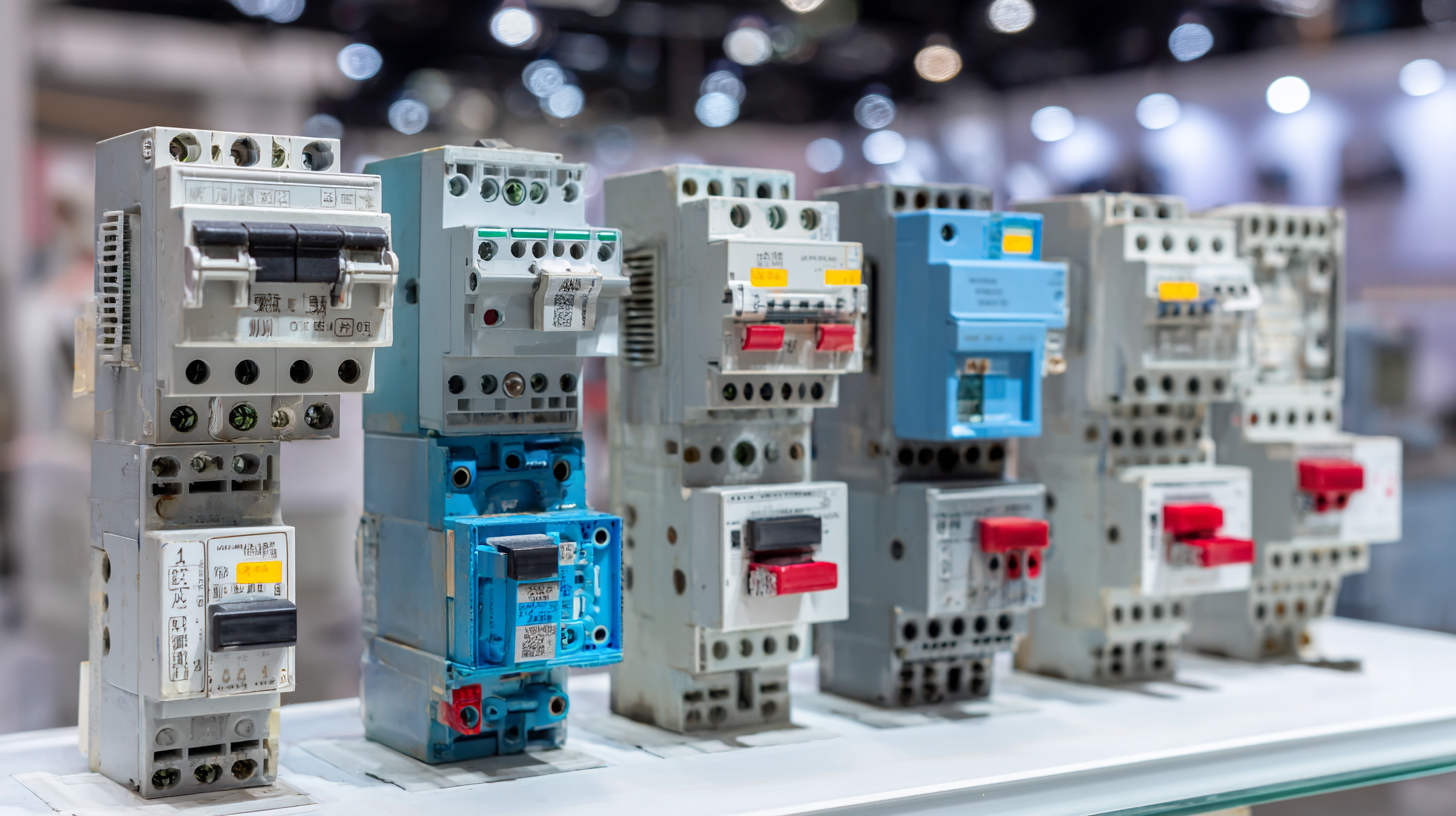
MCCB, or Molded Case Circuit Breakers, are pretty much essential in modern electrical setups. They do a great job at protecting your circuits and keeping everything running safely and smoothly. Basically, these breakers are there to preventoverloads and short circuits — you know, the stuff that can cause serious damage or even lead to fires if left unchecked. They come in various current ratings, so whether it's a small home or a big industrial site, there's usually an MCCB suitable for the job.
What’s cool about newer MCCBs is that they often have these smart features. Many of them let you tweak the trip settings, so you can customize the level of protection based on what your system needs at the time. This is super handy if your electrical load changes a lot. Plus, some models even have communication capabilities — meaning they can connect with smart grid systems, helping with monitoring and better management of your overall electrical setup. As technology keeps advancing, it’s pretty clear that MCCBs are becoming even more important for keeping electrical systems safe, reliable, and efficient.
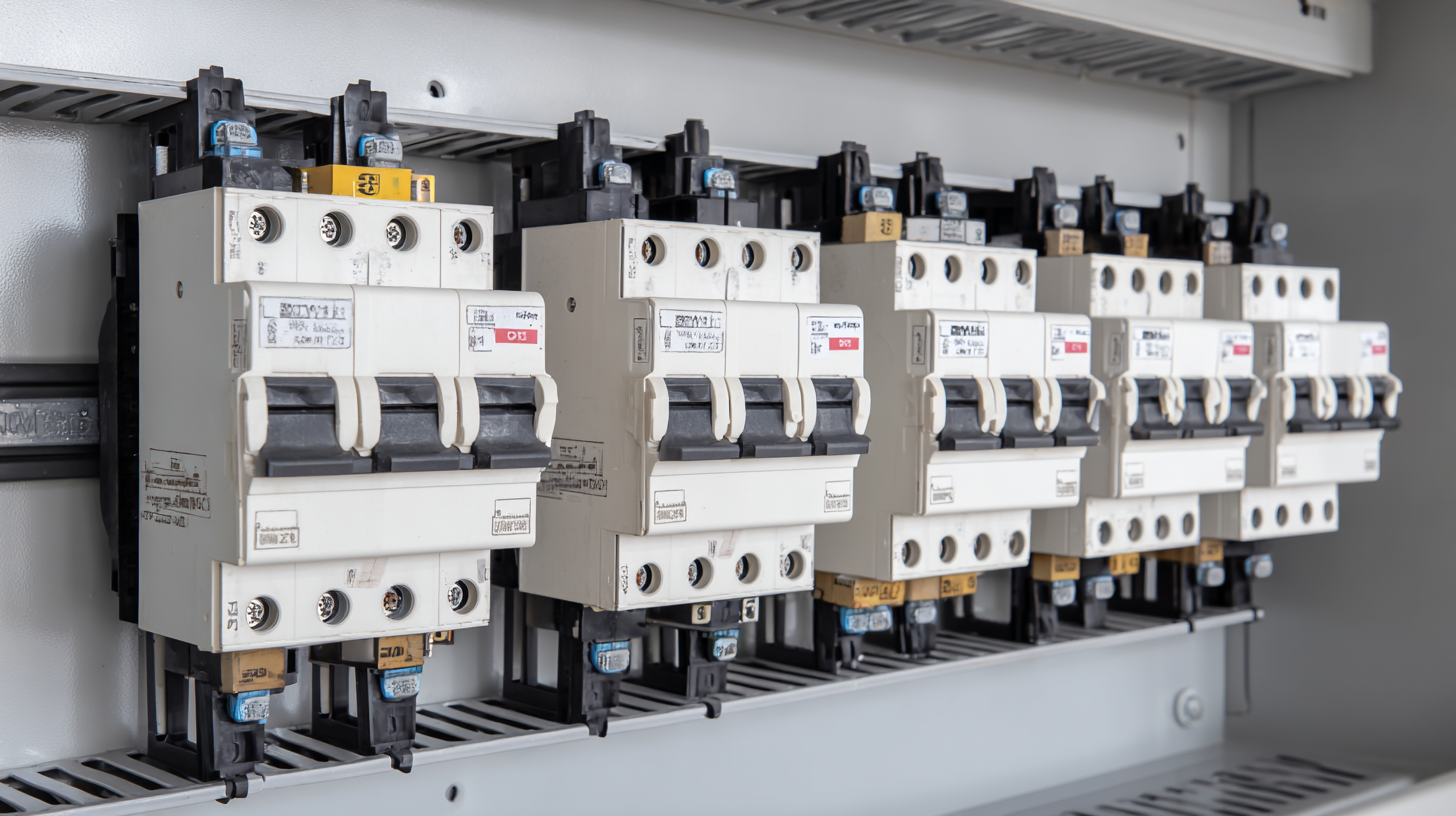
Molded Case Circuit Breakers (or MCCBs, if you wanna sound a bit more casual) are pretty impressive devices with some features that really make them stand out from other types of circuit breakers. Honestly, one of their coolest traits is their thermal magnetic protection—think of it as a smart safety guard that kicks in to prevent overloads and short circuits. This means they can quickly disconnect power when things go sideways, helping avoid damage to your equipment and keeping everyone safe, whether you're in a shop, factory, or somewhere in between.
What’s also nice about MCCBs is they can handle pretty hefty currents—anywhere from 15A up to 2500A. So, whether you’re running a small business or managing giant industrial setups, they’ve got you covered. Plus, they come with all sorts of customizable options like auxiliary contacts and shunt trips, so you can tweak them to fit exactly what your system needs. In today’s world, where energy efficiency and reliability are super important, having that kind of flexibility really comes in handy.
And I have to say, their tough build and user-friendly features—like easy resets and straightforward maintenance—make them a lot more appealing compared to other breakers. Not only do they last long, but they also mean less downtime during repairs or upgrades. All in all, MCCBs are a pretty smart choice if you’re looking to boost your electrical setup and keep everything running smoothly.
When you're choosing the right Molded Case Circuit Breaker (or MCCB for short) for your specific electrical needs, there are a few key features you’ve gotta keep in mind to make sure everything runs smoothly and safely. Did you know that, according to a report by MarketsandMarkets, the global MCCB market is expected to hit around USD 6.2 billion by 2025? That’s mostly because more and more industries are on the hunt for reliable, efficient protective devices. So, before you pick one, it’s smart to get a clear idea of the current and voltage ratings that your application requires, since MCCBs can handle quite a range—anywhere from 16A up to 2,500A.
But that’s not all. You also need to pay attention to the breaking capacity—that’s basically how much fault current the breaker can handle without breaking or messing things up. A study by the Electrical Safety Foundation International (or ESFI) highlights how important it is to coordinate and select circuit protection carefully, so you avoid unnecessary outages or mishaps. Oh, and don’t forget about the environment! Things like temperature, humidity, or even exposure to things like corrosive elements can make a big difference in what MCCB you should go for—whether it’s for industrial or commercial use. When you match these specs to your actual needs, you’ll end up with a breaker that’s reliable, safe, and ready to serve you well.
MCCB breakers, or Molded Case Circuit Breakers, are pretty essential parts of any electrical setup. They're the first line of defense when it comes to protecting circuits from overloads and short circuits. To keep these bad boys running smoothly for a long time, regular maintenance isn’t just a good idea—it's pretty much necessary. Did you know that up to 60% of electrical failures could actually be prevented just by taking proper care of them? Things like checking trip settings and making sure connections are tight are super important. If those trip settings are off, it can really ramp up the chances of downtime, so doing regular inspections is key if you want things to run without a hitch.
Another thing that often gets overlooked is keeping the breaker panel clean and accessible. Dust and grime can build up over time, which can mess with performance and even lead to failures down the road. The folks at NEMA recommend setting up regular cleaning schedules and fixing any issues you spot right away during visual checks. Plus, testing the breakers under load from time to time can catch any weird habits early on — meaning you can nip problems in the bud before they become big headaches. If you follow these simple tips, you'll not only extend the lifespan of your MCCB breakers but also keep your electrical system running reliably and safely.
| Feature | Description | Maintenance Tips | Expected Lifespan |
|---|---|---|---|
| Current Rating | Rated current capacity typically 15A to 2500A | Regularly check for overloads during operation. | 15-30 years with proper maintenance |
| Protection Features | Overcurrent, short circuit, and earth fault protection | Test protection features regularly. | 15-25 years with consistent testing |
| Size and Configurations | Available in various sizes and configurations, both din rail and panel mount | Keep installation areas clean and accessible. | 20-30 years depending on installation environment |
| Trip Mechanism | Thermal and magnetic trip mechanisms available | Ensure trip mechanisms are not obstructed. | 15-25 years with thorough inspection |
| Test and Reset | Manual and automatic reset options are available | Test reset function periodically to ensure functionality. | 15-20 years with regular testing |
Molded case circuit breakers, or MCCBs for short, are pretty key players in electrical systems. They’re responsible for keeping things safe and running smoothly. When you’re picking out an MCCB, it’s really important to get a good handle on what its ratings mean—like current, voltage, and interrupting capacity. The current rating tells you the max ongoing current the breaker can handle without tripping out, while the voltage rating shows the highest voltage it can safely operate with. Interruption capacity, on the other hand, indicates the maximum current the breaker can handle stopping during a fault, without getting damaged itself.
My advice? Take a moment to really think about your specific needs before choosing one. Check what your electrical load demands are—make sure the MCCB’s current rating can handle your usual operating load. Also, pick a voltage rating that matches your electrical setup. And don’t forget about the interrupting capacity, especially if you work in an industry where short circuits happen more often; you want a breaker that can handle those dangerous spikes without a hitch.
With the market for circuit breakers expanding and demand expected to grow over the next ten years, it’s a smart move to stay in the loop about new and innovative options out there. Nowadays, there are MCCBs with different configurations and modular parts, which can give you more flexibility and make your setup more customizable. Choosing high-quality MCCBs that fit your specific needs isn’t just about safety—it’s about peace of mind too, knowing your system will perform reliably day in and day out.
Molded Case Circuit Breakers, or MCCBs, are pretty much essential in the electrical setups of all kinds of industries. They’re the go-to for protecting equipment and folks from overloads and short circuits—kind of like a safety net you don’t want to skip. You’ll find them everywhere — in factories, construction sites, commercial buildings—you name it. The cool thing is, they can handle really high currents, making them perfect for heavy-duty stuff. That way, you’re avoiding costly shutdowns or, worse, accidents.
If you’re a business dealing with industrial controls—like Zhejiang ZNFO Electric Co., Ltd.—it’s pretty much a no-brainer to include MCCBs in your system. They’re customizable too, so you can tweak them to fit exactly what your operation needs. Whether it's conveyor belts or switchgear, knowing what makes MCCBs tick can really help boost your electrical setup's performance.
**Tip 1:** When you’re picking out an MCCB, think about where it’s going and what your operation requires. That way, you’ll get the right one that performs like a champ.
**Tip 2:** Don’t forget to give your MCCBs regular check-ups. Proper maintenance can prevent unexpected failures and make sure they last longer—keeping your operations safe and smooth as butter.
: An MCCB, or Molded Case Circuit Breaker, is an electrical component designed to protect circuits from overloads and short circuits, capable of handling a wide range of electrical loads typically between 16A to 2,500A.
To choose the right MCCB, consider the current and voltage ratings needed for your application, as well as the breaking capacity and environmental factors such as temperature, humidity, and corrosive exposure.
Breaking capacity indicates the maximum fault current an MCCB can interrupt without damaging itself or the electrical system, which is essential for ensuring safety and reliability.
Regular maintenance practices include inspecting trip settings and connections, cleaning the breaker panel, and testing the breakers under load conditions to identify any irregularities early on.
Improper maintenance can lead to increased downtime risk and potential electrical failures, as up to 60% of failures can be prevented with proper maintenance practices.
MCCBs are commonly used in manufacturing, construction, and commercial establishments, providing vital protection for electrical equipment and personnel in various industrial applications.
Environmental conditions and operational requirements of a facility must be considered when selecting an MCCB, as they directly impact the breaker's performance and longevity.
MCCBs can be tailored to fit specific industrial applications, enhancing efficiency and streamlining operations in systems such as industrial control solutions and heavy-duty machinery.
Failing to conduct regular inspections can lead to undetected irregularities and increased risk of electrical failures, compromising safety and operational efficiency.
Integrating MCCBs into industrial control systems enhances the overall electrical infrastructure, providing reliable protection and contributing to smoother operational processes.
In today’s fast-moving industrial world, it’s pretty important to get a good handle on what makes MCCB breakers stand out if you want your electrical systems to run smoothly. These breakers aren’t just your run-of-the-mill circuit protectors—they play a crucial role in modern electrical setups thanks to their advanced protection features and flexibility. In this post, I’ll walk you through what you really need to consider when choosing the right MCCB for your specific needs, like key ratings such as current, voltage, and interrupting capacity. We’ll also share some handy maintenance tips to help keep these breakers reliable and lasting longer in different industrial settings.
At Zhejiang ZNFO Electric Co., Ltd., with over 37 years of hands-on experience in industrial control, we take pride in supplying top-quality MCCB breakers that prioritize both efficiency and safety. Our expertise in developing smart protection devices means we’re well-equipped to meet the wide-ranging electrical needs of our clients, helping them keep their electrical systems strong and dependable.