









The Comprehensive Guide to Limit Switch Applications
What is a Limit Switch?
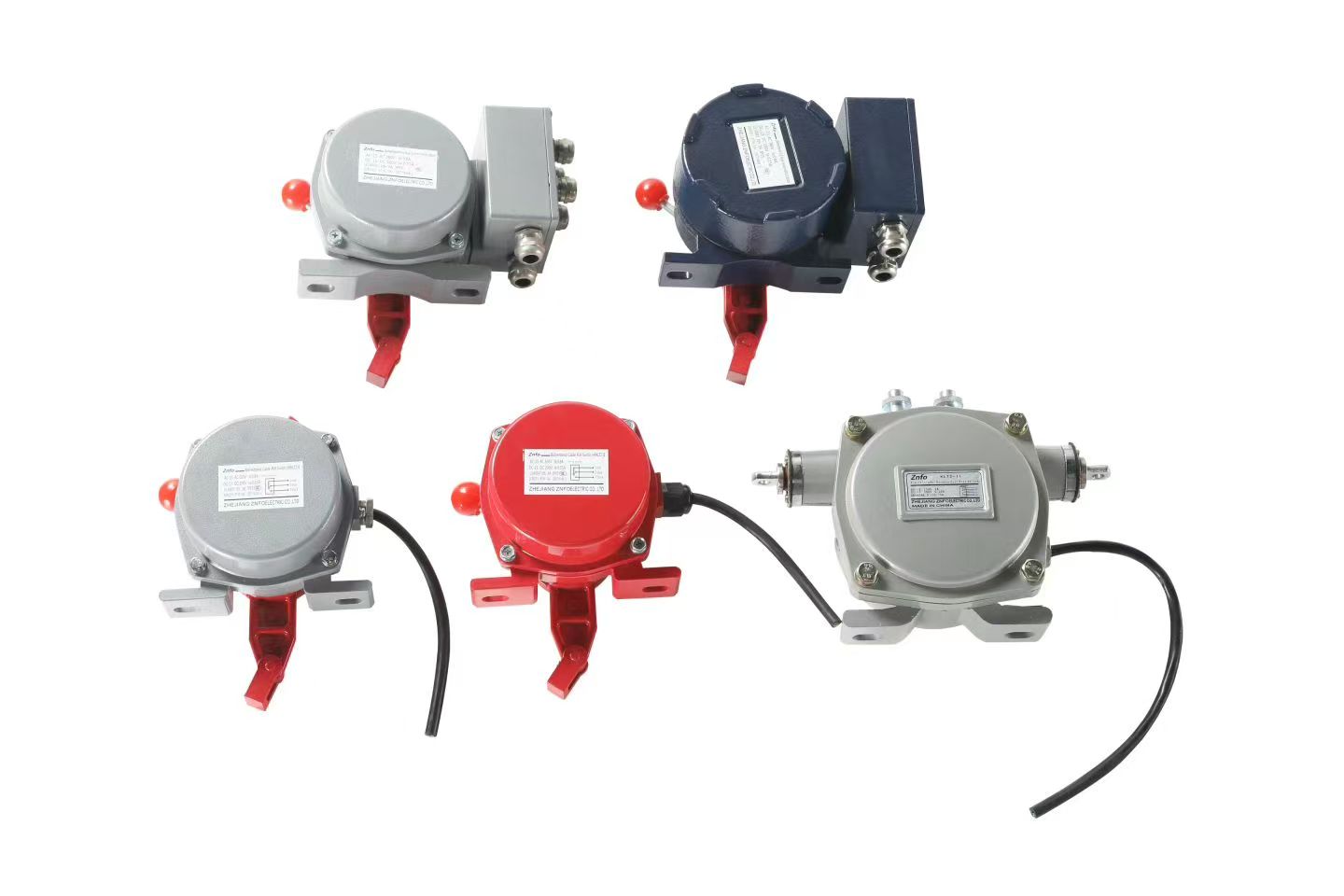
A Limit Switch is an electromechanical device comprising of an actuator connected mechanically to contacts. When an object touches the actuator, the device switches the contacts to open or close a circuit. Thus, its main job is to control a device by indicating limits of movement. Limit switches play a key role when accuracy is paramount, for example, stopping a machine at the end of a specific route.
Understanding the Working Mechanism of a Limit Switch
The function of limit switches involves contact and activation of the switch action due to the presence of motion of some item activating the actuator of the switch. When the object has been removed from the acting position, the switch is brought back to its initial state. Despite simplicity of the working principle, the switch guarantees precise automation. The switch can be successfully employed in different environments ranging from severe industrial applications to sophisticated electronic designs.
Applications and Uses of Limit Switches
The versatility of limit switches allows them to be used in various industries:
Manufacturing and Automation: Limit switches are positioned on conveyor belts to detect their end positions, which allow the conveyor to stop as needed. Additionally, they play a crucial role as safety shut-offs in factories.
Elevator Systems: It's very important to understand the significance of limit switches which, in situations where an elevator is running, ensure the smooth and safe functioning of the system through a reliable stopping at all floors.
Rotary Limit Switches: For applications where rotation should be limited, like in cranes and hoists, rotary limit switches are essential components. They limit rotation so that there won’t be any overspinning that may cause machinery failure.
FAQs: Understanding the Basics
What does a limit switch do? A Limit Switch helps in detecting the existence, nonexistence, or position of a body and executes a corresponding mechanical or electrical response. This is crucial for a seamless running of a computerized process.
How does a limit switch work? It operates through the actuation of various contacts due to contact with the intended object. This simple and secure mechanism causes a necessary action in the connected machinery or devices, e.g., stop working or issue warning signals.
Why Use Limit Switches Over Other Sensors?
Limit switches provide several advantages over other types of sensors. Being mechanical in nature, limit switches provide a physical surface to contact, thus making them reliable in situations where electronic sensors fail. Furthermore, they are able to withstand harsh conditions well and therefore work best in industries that face challenges from dust, vibration and temperature change.
Correct selection and use of limit switches can boost efficiency, safety and service life of the equipment, attesting their significance in various industries.
As a summary, no matter if your project involves optimizing a factory production line, ensuring the machines work in a safe manner, or managing all processes of automation, we can conclude that the integration of the limit switch solution can considerably enhance the reliability and performance of your system. If you understand how the switches work and how to use them, you will make better decisions on the application of these devices.
