








The Role of AC Contactor: Comprehensive Guide to Functions, Uses, and Benefits
What is an AC Contactor and How Does It Work?
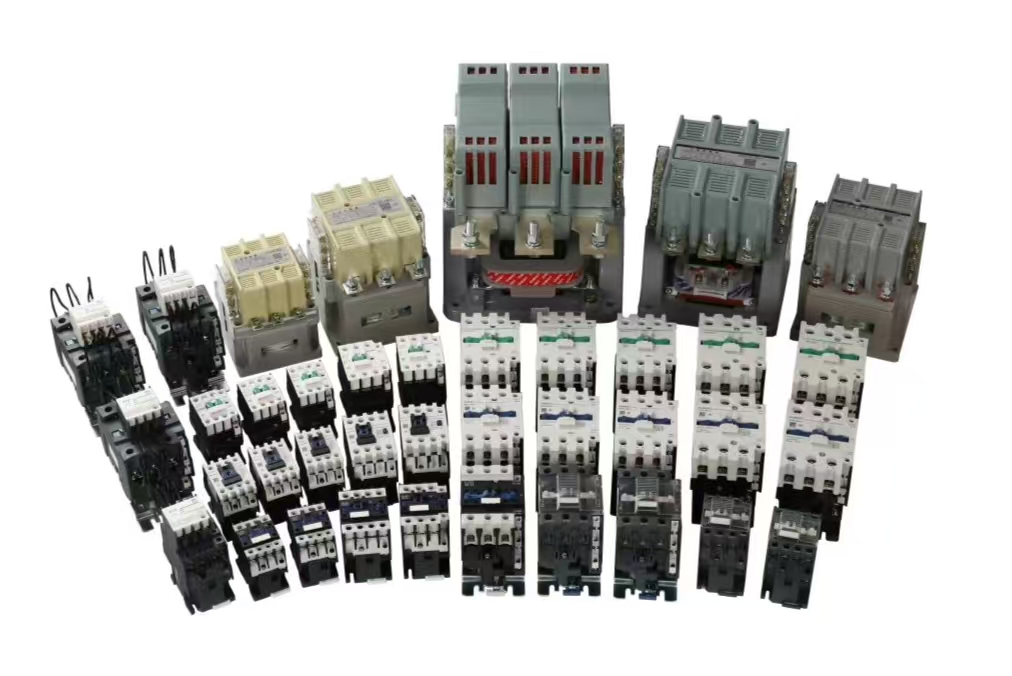
An AC Contactorserves as a bridge between the control circuit and the power circuit. Unlike manual switches, the operation of AC Contactor can be done from a distance with the application of control voltage, which makes them useful in automation. The AC Contactor contains an electromagnetic coil, contacts, and an enclosure. The application of suitable voltage on the coil generates a magnetic field that brings the contacts together and closes the circuit to allow the current flow towards the load. When the control voltage is disconnected, the contacts open, thereby cutting off the flow of current.
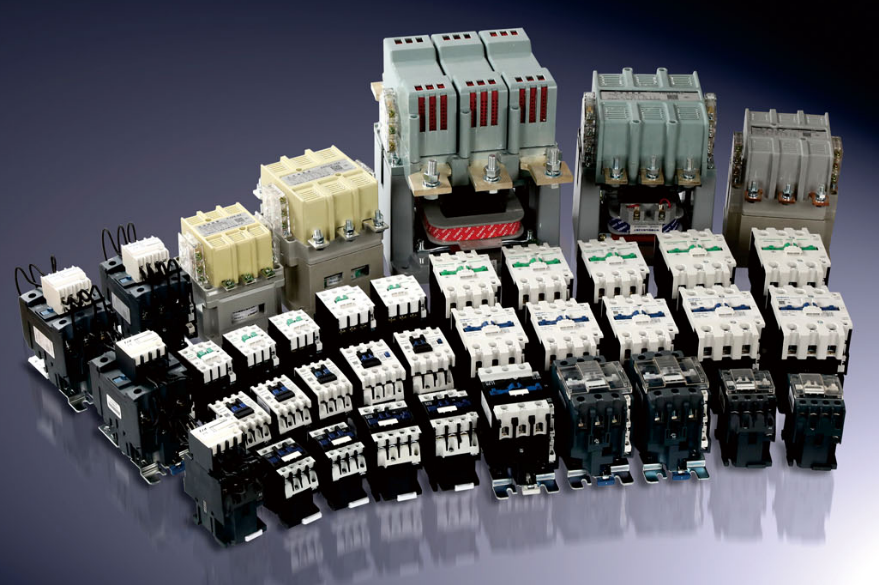
A wide variety of contactor types are available in the market. Their construction design and features may differ according to the requirements, but the purpose of all contactors is the same. They exist to operate electric circuits safely and accurately. High reliability, extended service life and easy compatibility with auxiliary equipment are the main reasons of their popularity.
Main Functions of AC Contactor
The main purpose of an AC Contactor is to connect and disconnect the electrical energy in a safe and effective manner. Below are few essential functions of AC Contactors:
1. Remote Switching: 1. Load control can include the operation of other loads such as electric motors, capacitors, and even lighting banks from a central controller.
2. Electrical isolation is a component of the safety process that ensures that technicians and other technicians are free of electrical circuits while carrying out installations, inspection operations, or regular maintenance operations.
3. Steel is used in conjunction with various production systems (PLCs).
4. While AC Contactor is not designed to provide overload protection, it is used together with thermal overload relays that protect the load against overheating.
5. Electric faults can be avoided through disconnecting overloaded circuits and circuits being repaired in the shortest amount of time.
Functions of AC Contactors enable them to be vital elements of today's electrical systems, thereby guaranteeing efficiency and safety.
Typical Applications and Usage Scenarios of AC Contactor
It is important to analyze how an AC Contactor functions and operates in different industries and applications to understand how essential it is. It can be observed in several cases:
Motor Control: AC Contactors are most commonly used in the starting and stopping of electric motors. AC contractors, together with overload relays, make sure that the engines work properly and are protected in different production lines, HVAC systems, pumps, elevators, etc.
Lighting Control: AC Contactors are put to use in commercial buildings, sports arenas, and public facilities to control large numbers of lighting systems. This allows users to control a single device and save energy while ensuring safety.
Heating Element Control: Many industrial heating applications need the use of high-power heating devices. Heavy-duty loads are safely managed through AC Contactors.
Capacitor Switching: Electric capacitor banks are used to improve power factor and efficiency in electrical substations and power distribution systems. It is with AC contactors that safe connections and disconnections are initiated as required.
Building Automation and Smart Systems: The emergence of intelligent buildings allows AC Contactors to combine HVAC, lighting, and energy management systems, and to adjust their operation according to the changes in use and demand.
The adaptability and reliability of contactors are the reasons why they are at the centre of electrical management.
Benefits of Using AC Contactors in Electrical Systems
The implementation of AC Contactors comes with various benefits that make them important for electrical operations and design.
Enhanced Safety: Thanks to remote operation, AC Contactors decrease the chances of human contact with high-voltage circuits. Apart from simplifying maintenance, it also complies with strict regulations.
System Reliability: Top-performing AC Contactors can perform thousands or millions of switching actions without any problem, allowing for uninterrupted processes and minimal downtime in essential operations.
Energy Efficiency: Contactors may be made with coils of lower wattages as well as special functions including economizers as part of big energy-saving efforts.
Scalability and Flexibility: Standardized and modular designs make it easy to expand and customize the system to adapt to changing load requirements or upgrades in the future.
Integration with Smart Controls: The compatibility of AC Contactors with cutting-edge control protocols and accessories makes them immune to obsolescence and flexible for Industry 4.0 applications.
These advantages, combined with their outstanding effectiveness, make them a staple in the electrical and automation sector.
How to Use AC Contactor: Installation and Best Practices
To ensure the best efficiency and longevity of an AC Contactor, it needs to be correctly installed and operated. Below is a step-by-step guide for users on the right process to use:
Selection: Select an AC Contactor that fits well with the voltage and current rating for your application. Remember to take into account the duty cycle of the application, the environment, and any mounting constraints. If you over-specify the unit you incur unnecessary costs, while under-specifying may lead to the failure of your equipment.
Mounting: Mount the contactor in an enclosure that is both well-ventilated and easily accessible. The location should be devoid of excessive amounts of dust, moisture, or vibration. Make sure to follow the torque instructions provided by the manufacturer concerning the screw terminals in order to avoid poor connections.
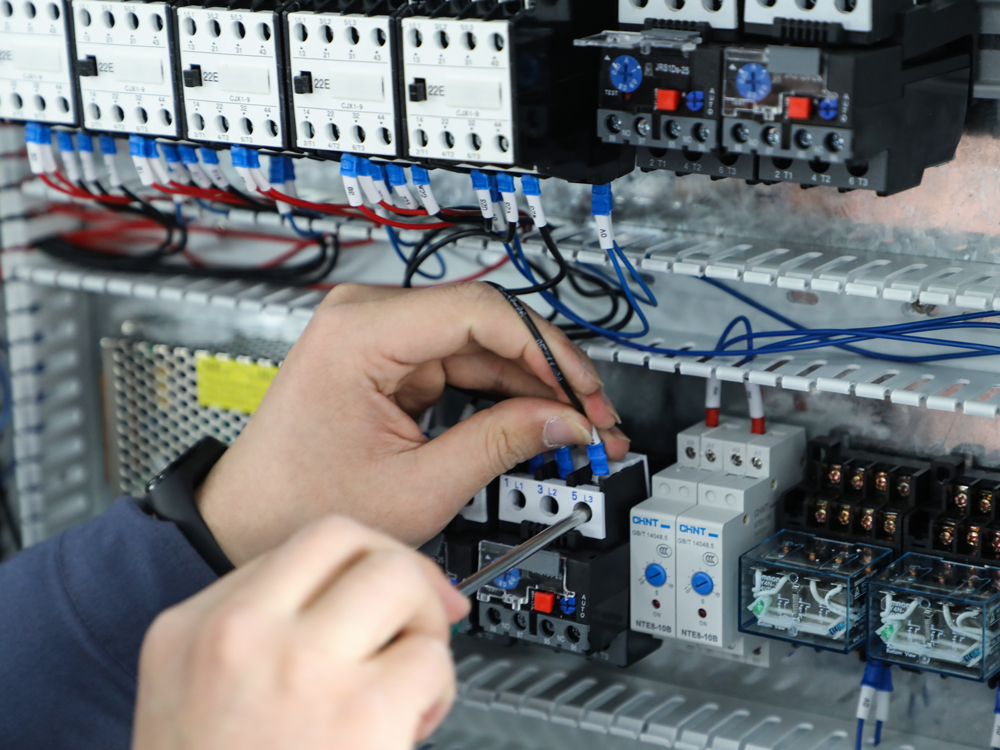
Wiring: Select the appropriate conductor sizes that can carry the rated current and check whether all the connections are tight. In case of electrical interference concerns, use arc suppressors, RC networks, and snubbers in the circuits.
Control Circuit: Connect the AC Contact with the control circuit, and ensure that its coil receives the voltage needed as per its specification. The auxiliary contacts can be used with the indicator, interlock circuit, or feedback control in a PLC system.
Testing: Prior to applying power, confirm that all connections have been checked with a resistance meter and continuity checker. After initial activation, inspect contactor functioning and check for any unusual sounds or heating.
Maintenance: Conduct inspections of the contacts frequently to look for signs of pitting and oxidation. Replace worn-out parts as soon as possible so that there is no malfunction. Clean the enclosure and check for moving parts that may be blocked.
The proper use of the gadget ensures its functioning safety, extends its lifetime, and prevents expensive repair costs or interruptions.
Common Issues and Troubleshooting with AC Contactor
Even high-grade AC Contactors can develop problems when exposed to difficult environmental conditions or when improperly installed. Spotting and fixing the problems early will ensure reliable and best possible performance. Below are several problems and solutions:
Contact Wear and Pitting: Frequent switching of inductive loads can lead to contact wear. Therefore, it is important to periodically check contacts for wear and have them replaced if they are worn or burnt.
Coil Burnout: If you apply the incorrect control voltage or leave the coil energized for too long with insufficient ventilation around it, overheating can occur. Be sure to always ensure that the control voltage matches the coil voltage and that there is adequate airflow around the system.
Noise or Chattering: Mechanical noise or chattering may occur due to the low coil voltage, excessive vibration, or a worn-out armature. To solve this, check the voltage at the terminals of the coil, ensure the tightening of the mounting means, and change mechanical components if necessary.
Failure to Switch: If the AC Contactor does not function by opening or closing, conduct a continuity test through the control circuit. Further, check for any kind of mechanical interference, and ensure that the auxiliary contacts are functioning properly.
Overheating: The heating of components may be caused due to excessive currents or improper tightness of connectors. Make sure you check that each conductor is rated for the amount of current carried and that every connection is properly made. If possible, please make use of thermal imaging for diagnosis.
A clear maintenance plan and regular monitoring can significantly lower any periods of inactivity and enhance the working efficiency of the electrical system.
Frequently Asked Questions About AC Contactors
How do you use an AC Contactor in motor control?In order to utilize an AC Contactor in motor control applications, install it in between the motor and the power source. The control circuit, which is typically activated by either a push button, PLC, or thermostat, energizes the coil of the contactor and thus closes the primary contacts of the contactor to supply power to the motor. It is important to connect the contactor with an overload relay and fuses in order to safeguard against overloads.
Can AC Contactors be used for both AC and DC circuits?Most AC Contactors have a design that is specifically compatible with AC power. Although DC Contactors are available for use with DC loads, using an AC Contactor in a DC application is not advisable unless it is rated for such use. This is due to the difference in how the arc is suppressed and how the contacts are designed for the two types of currents. Always select a contactor that corresponds to the supply format.
What maintenance is required for AC Contactors?Check the condition of contacts, either clean or replace them when necessary, and inspect frequently the coil and connections for signs of corrosion or come undone. Keep enclosure clean of dust and dirt to achieve maximum efficacy.
Are there different types of AC Contactors?Indeed, it is true that AC Contactors comes in many kinds like modular AC Contactors, normally open (NO) type AC Contactors, normally closed (NC) type AC Contactors, and the ones with built-in auxiliary contacts. The type of AC Contactors to use depends on the task that needs to be performed and the specifications of the system.
Can AC Contactors be automated?Of course. Nowadays, AC Contactors usually can connect with systems used in controlling buildings as well as in industrial and automatic operations or with remote controllers. Technology has made it possible to switch electric devices according to a schedule.
Emerging Trends and Innovations in AC Contactor Technology
The domain of AC Contactor technology is advancing quickly due to the introduction of new material, smart control techniques, and energy efficiency regulations.
Solid-State Contactors: These electronic versions provide quicker functioning and nearly wear-free switching because they do not consist of moving parts. They are growing in popularity in high-speed and repetitive fields, including conveyor systems, packaging systems and robots.
Integrated Smart Contactors: As IoT and Industry 4.0 speedily grow, contactors are increasingly being made with intelligent features such as sensors, diagnostic technologies, and connectivity. This opens the door to predictive maintenance, remote monitoring, and timely adjustment of systems.Just imagine how much electronic devices will now be smarter than before due to modernization in smart technologies.
Eco-Design and Miniaturization: Manufacturers have been adopting eco-friendly materials and compact designs which utilize less panel space, weigh less, and allow for better recyclability, and all this is done keeping international safety and quality norms in consideration.
Enhanced Arc Suppression: Technologies for managing arcs not only enhance the life span of contactors but also provide safety features for high-inrush current applications, thereby advancing the use of renewable energy and modern electric power systems.
Keeping up with advancements in technology is essential for engineers, facilities managers and those in charge of making decisions to guarantee that only high-quality solutions fulfilling current and future purposes are used.
Choosing the Right AC Contactor for Your Application
Choosing the right AC Contactor is essential for the proper functioning, security, and endurance of your electrical systems. There are a number of important factors to consider when selecting:
Load Type and Capacity: Establish the full load current and voltage needs of your target application. Ensure the contactor's specifications meet the making and breaking currents.
Environmental Conditions: Think about the extremes in temperature, humidity, exposure to dust or corrosive materials, and the space available for mounting. Select units that have sufficient protection against ingress, which is marked in IP numbers, and make sure to use the best materials.
Duty Cycle: Conduct an assessment on how often and how long the contractor is expected to work in order to choose a contractor that complies with the relevant duty class. Frequent switching requires unique designs.
Auxiliary Features: Consider whether your application needs auxiliary contacts for signal or interlocking, surge protection for coil, or mechanical devices for advanced switching schemes like forward-reverse motor starters.
Certifications and Compliance: Always ensure that the chosen contactor follows applicable international standards (such as IEC, UL, or ANSI) and that it carries suitable safety certifications.
Careful specification not only optimizes performance but also saves costs and enhances the system's operational safety and flexibility.
Conclusion
In summary, the AC Contactor serves as a vital component in electrical control systems, offering unmatched benefits in safety, automation, efficiency, and adaptability. Its ability to handle heavy loads, integrate with smart controls, and protect against electrical mishaps positions it as an irreplaceable tool within industrial, commercial, and even residential settings. By understanding its role, operational principles, installation methods, and current innovations, decision-makers and end users alike can harness the full advantages of AC Contactors. As your operations grow and the electrification of systems advances, ensure that you leverage the most suitable contactor solutions to guarantee reliability, protect your assets, and future-proof your infrastructure.