







The Role of AC Contactors: Essential Components for Electromechanical Control
What Does an AC Contactor Do?
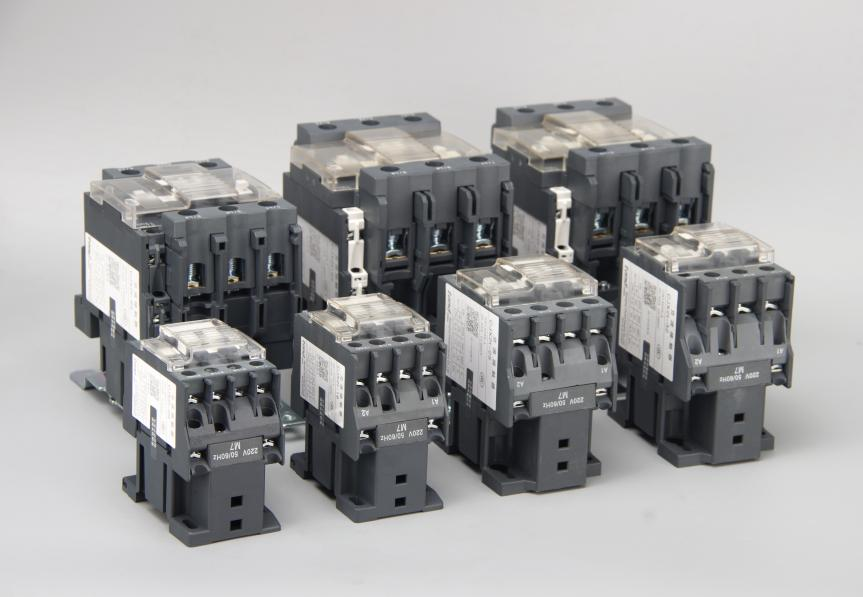
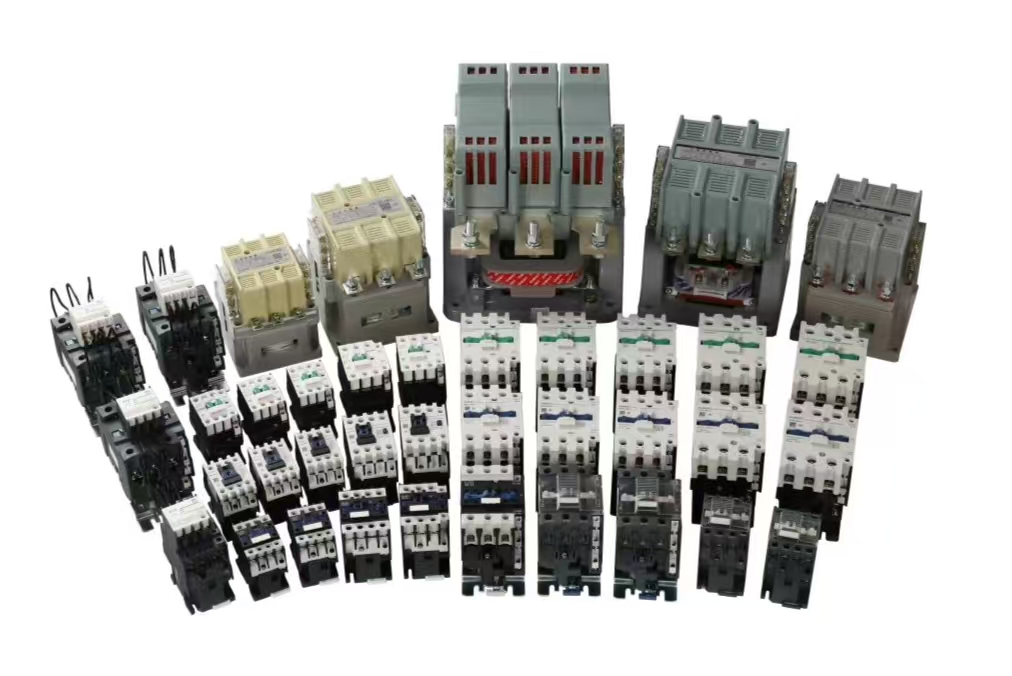
The AC Contactor is a device that can be described as being an electromechanical component that is also a switch and facilitates switching of power to motors and other load devices. This is one of the devices that ensure that power circuits can be controlled remotely. The coil of the AC contactor is energized of created a magnetic field, bringing arm contacts into contact with each other which closes the circuit and enables current flow. It is worth noting that the equipment does not only facilitate the operation of equipment but also increases safety as there is no need for a person to be involved in the process.
Benefits of Using AC Contactors
One major benefit of AC contactors is their ability to handle heavy power loads. In other words, they can be used to control powerful pieces of equipment that would be hard to handle otherwise. One more advantage of AC contactors is that they are controlled with low-voltage signals. This means that automation is possible in many processes and makes them more efficient. Moreover, AC contactors are very durable and can be used practically everywhere.
Applications of AC Contactors
AC contactors are widely used across numerous applications, including:
- Industrial machinery where automating operations is crucial.
- HVAC systems to efficiently control compressors and fans.
- Pump control circuits for water treatment and irrigation systems.
- The control of light in commercial areas is essential in achieving energy efficiency and good use of artificial illumination.
Key Considerations When Choosing an AC Contactor
When selecting an AC contactor, it’s important to consider several factors:
- Voltage Rating: Ensure the contactor can handle the voltage level of your system.
- Current Rating: Check that it can handle the load without overheating.
Extra contacts: Determine if it is necessary to provide additional contacts for interlocking or signaling purposes.
- Environment: Consider the nature of the environment in which the contactor will be functioning. Choose the one suitable for this particular environment (the amount of dust, humidity, temperature, etc.).
Frequently Asked Questions about AC Contactors
What is the difference between a relay and an AC contactor?
While relays perform the same function as AC contactors, they are specifically designed to operate in low voltage systems, whereas AC contactors are designed to operate in high voltage and current systems.
Can I use an AC contactor for DC applications?
In general, AC contactors cannot be utilized for DC applications due to the differences in their electrical operations. Specifications should always be verified with the manufacturer.
How do I install an AC contactor?
It is best to hire a professional electrician for installation. The procedure usually involves fixing the contactor, connecting the power supply, and wiring control circuits according to the manufacturer's instructions.
The importance of AC contactors in electrical engineering is significant. AC contactors can work with high voltage loads and can be applied in automation tasks, thereby gaining a lot of popularity in various industries and households.