Top 10 AC Contactor Manufacturers Worldwide?
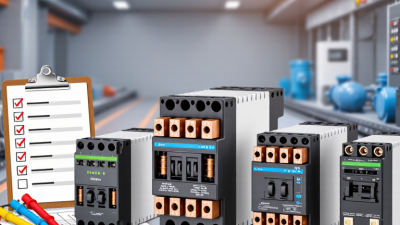
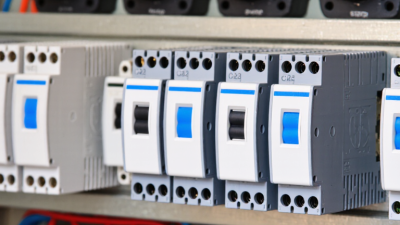
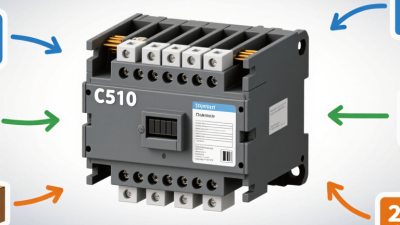
The global market for AC contactors, which you can check out [here](https://www.znfo-electric.com/ac-contactor), plays a crucial role in supporting factories, buildings, pumps, compressors, and motor control panels. Lately, though, we've been seeing demand pick up, mainly because of the surge in industrial automation, renewable energy projects, and new commercial buildings popping up. According to reports from MarketsandMarkets and Grand View Research, industrial electrification is a huge growth driver in this space. But, interestingly enough, their market estimates don’t exactly match up. That’s mainly because they define products differently and cover different regions, so it’s worth paying attention to those differences. When comparing these figures, don’t just look at sales numbers — you should also consider things like switching endurance, coil power, thermal performance, how well they handle short circuits, and what kind of after-sales support is available. In this guide, I’ll walk you through ten major manufacturers: Schneider Electric, Siemens, ABB, Eaton, Rockwell Automation, Mitsubishi Electric, Fuji Electric, CHINT, LS Electric, and Lovato Electric. These companies cater to various price points and environments — some focus on high-end factory automation, while others are more about standard distribution panels and motor starters. It’s also helpful to keep in mind that IEC 60947-4-1 is a key technical standard for low-voltage contactors and motor starters. But remember, independent certifications, documented testing conditions, and regional compliance are just as important when you’re comparing products. A contactor that performs perfectly in a clean lab might not hold up in the real world, where dust, heat, vibration, and frequent switching are just part of the daily grind. So, there’s really no such thing as a perfectly neutral ranking here. The strength of a supplier can vary quite a bit depending on where you are, what industry you’re in, or how big your project is. That’s why I’ve included a mix of factors — technical ability, market presence, product range, reliability evidence, and user experience. Of course, this comparison can be useful, but it’s not set in stone. Engineers should always double-check the specs and test them against the actual loads, enclosures, duty cycles, and environmental conditions they’re working with.
Read more »